
Workforce software has come a long way from the old spreadsheets and paper schedules that once ruled offices and store floors. Today, it is about creating balance, reducing burnout, and helping teams actually enjoy their work while businesses stay efficient. At OneVision, we see this shift every day, and in this piece, we want to explore a fresh angle: how modern workforce software can turn routine management tasks into genuine opportunities for growth, connection, and smarter decision-making, especially for growing teams that want technology to support people rather than replace them.
Key Takeaways
Workforce software works best when it respects both business needs and human realities.
Integrated workforce management solutions reduce fragmentation and improve communication.
Workforce planning tools help move from reactive to proactive management styles.
Employee input features in modern staff management software boost engagement significantly.
Choosing a flexible workforce management platform supports growth without constant system changes.
Focus on solutions that combine scheduling, learning, and insights rather than isolated tools.
Successful adoption depends on clear communication and proper support during transition.
Why Traditional Approaches Fall Short in Today's Workplaces
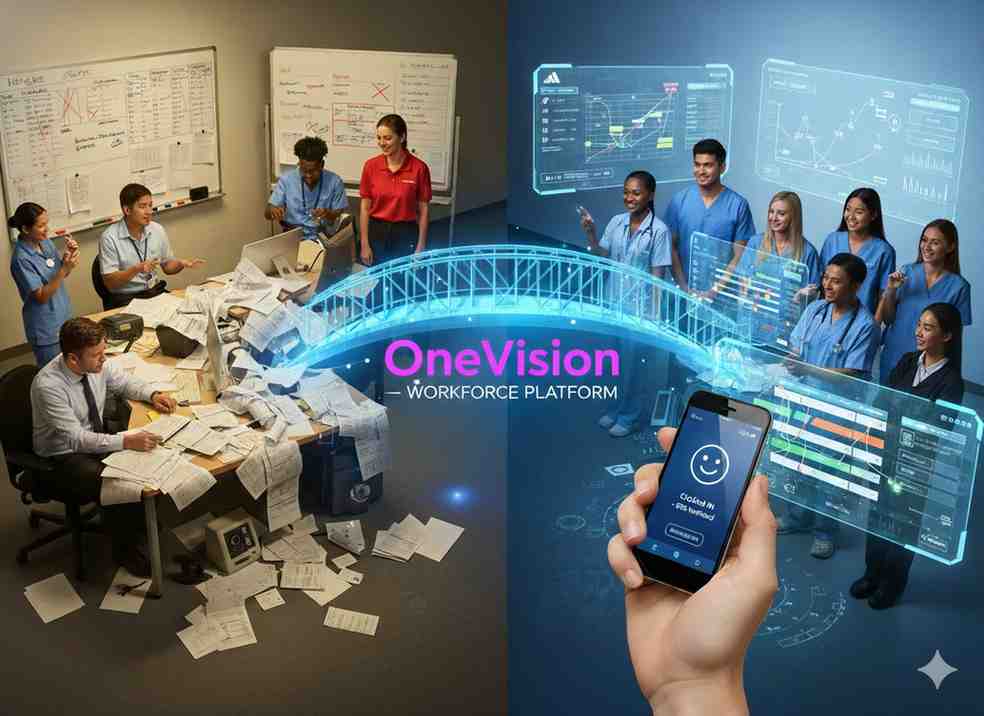
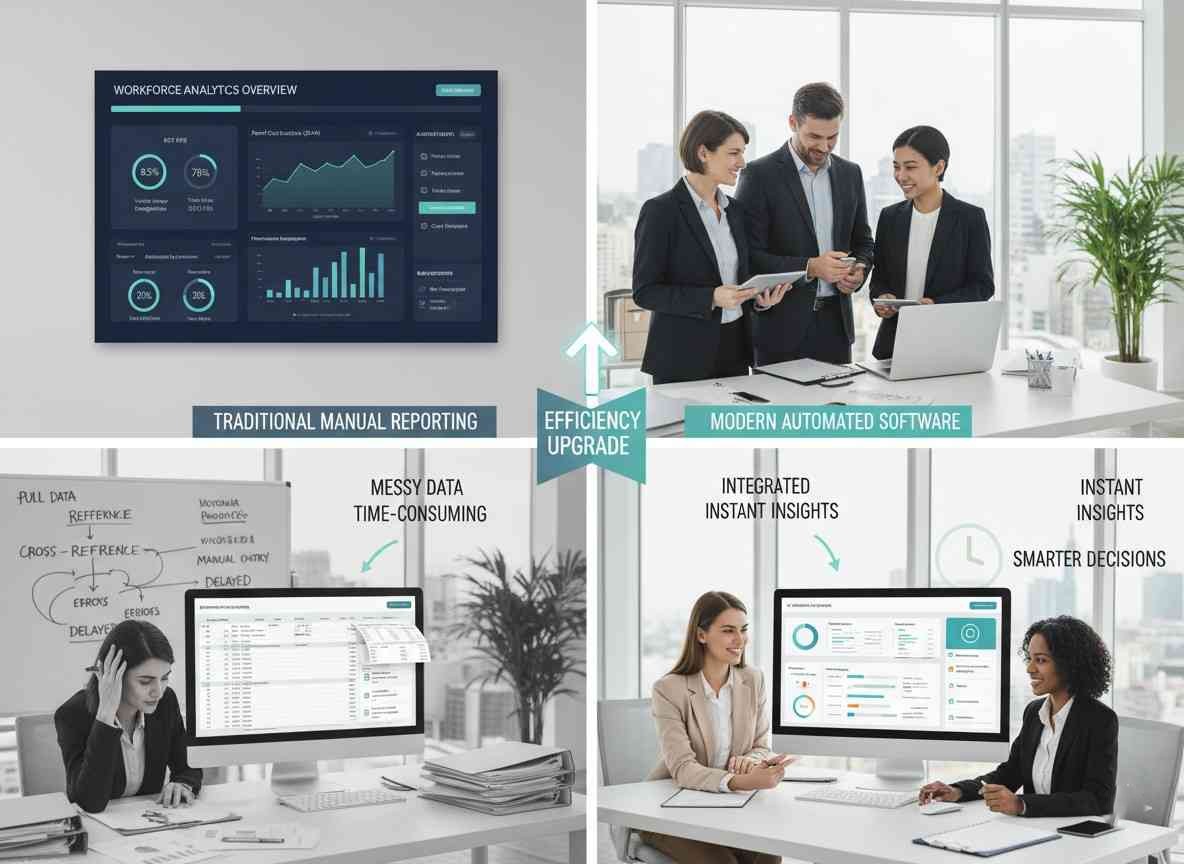
Many leaders still rely on basic tools for scheduling or tracking hours, but these quickly become bottlenecks when teams expand or work patterns change. The real challenge is not just filling shifts but understanding the human side of operations. This is where dedicated workforce management software steps in as more than a digital timesheet.
Businesses often struggle with unexpected absences, uneven workloads, or skills gaps that only become obvious too late. A good workforce planning software helps spot these patterns early by combining historical data with current realities. Instead of reacting to problems, teams can prepare in ways that feel thoughtful rather than forced.
The Hidden Costs of Fragmented Tools
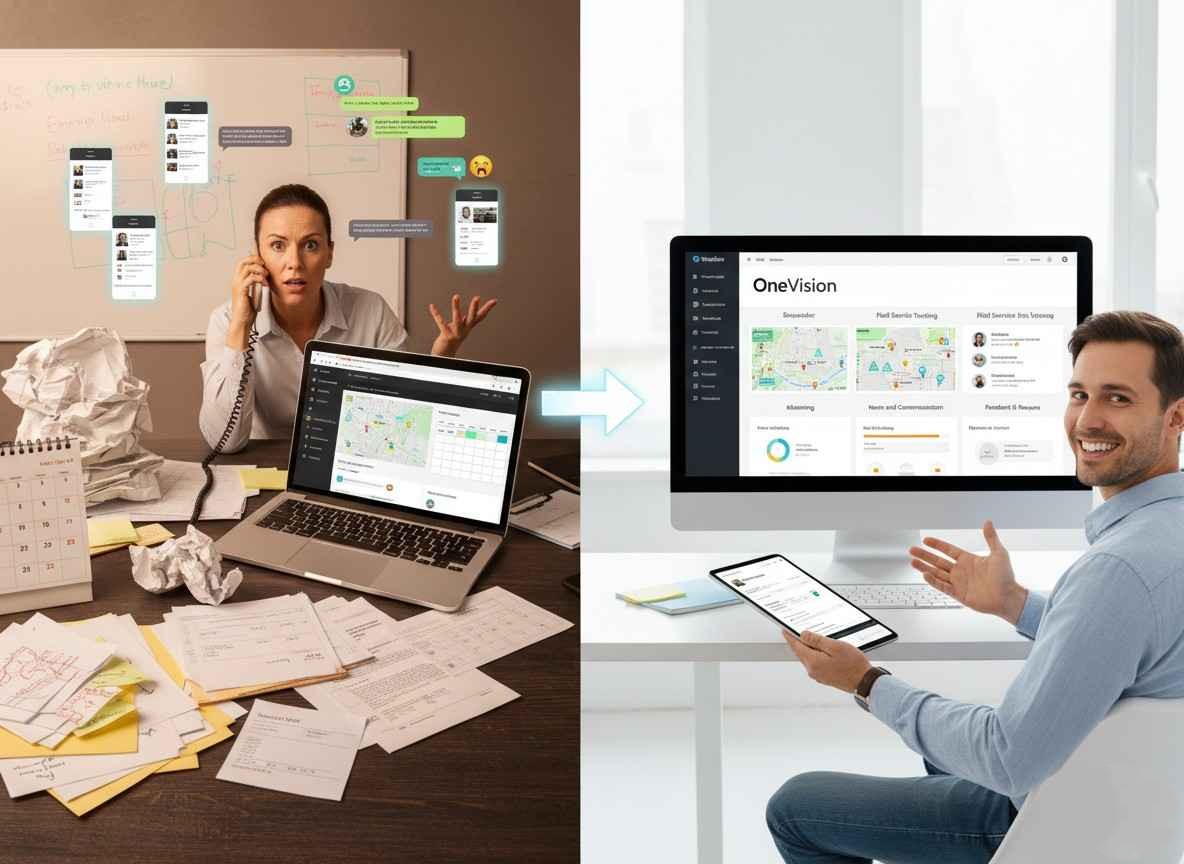
When different departments use separate apps for scheduling, HR records, and training, information gets lost, and frustration builds. Employees end up answering the same questions multiple times or chasing approvals across platforms.
Managers waste hours switching between systems
Every tool switch breaks focus and adds up across the week.
Important updates get missed in email chains
Critical information buried in long threads leads to avoidable errors.
Training progress stays disconnected from performance reviews
Without a connected system, development efforts go unrecognized.
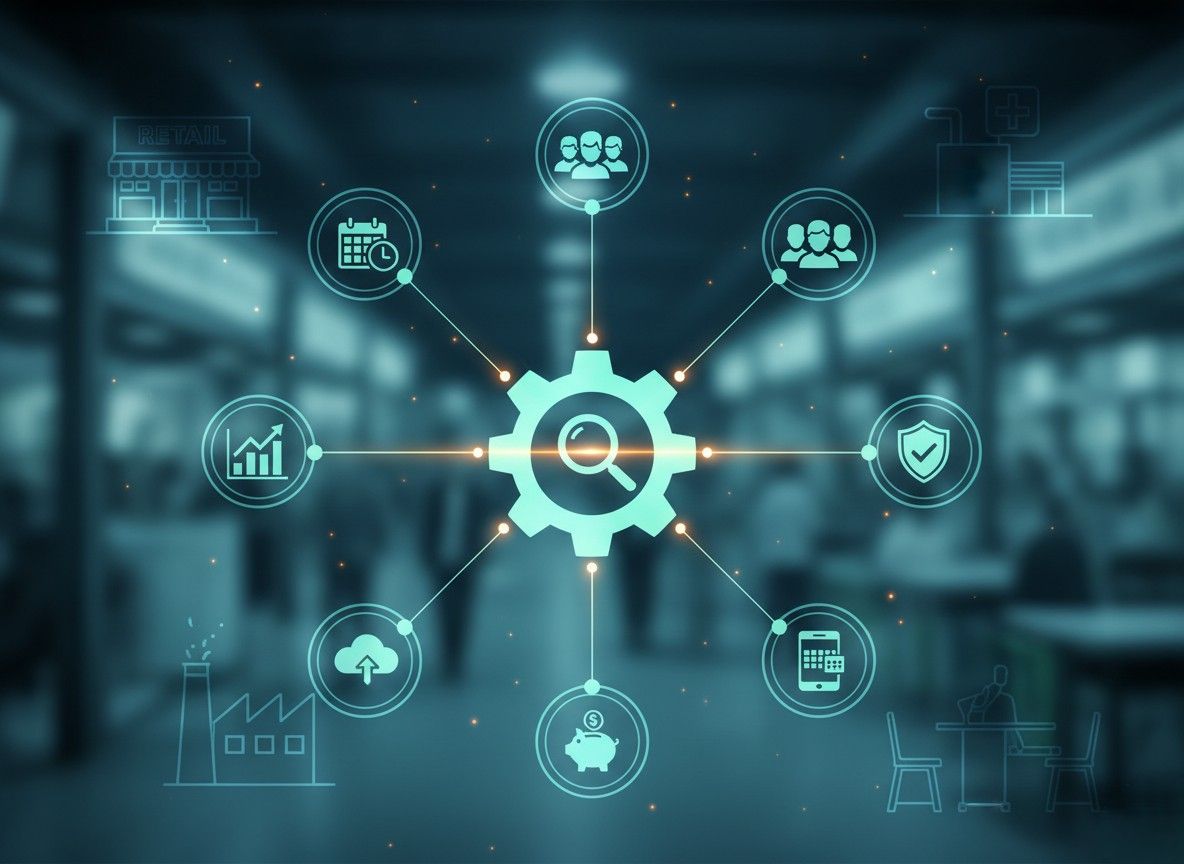
This is exactly why integrated software for workforce management makes such a difference. It brings everything together without forcing people into rigid workflows.
How Workforce Software Helps People Make Processes Easier
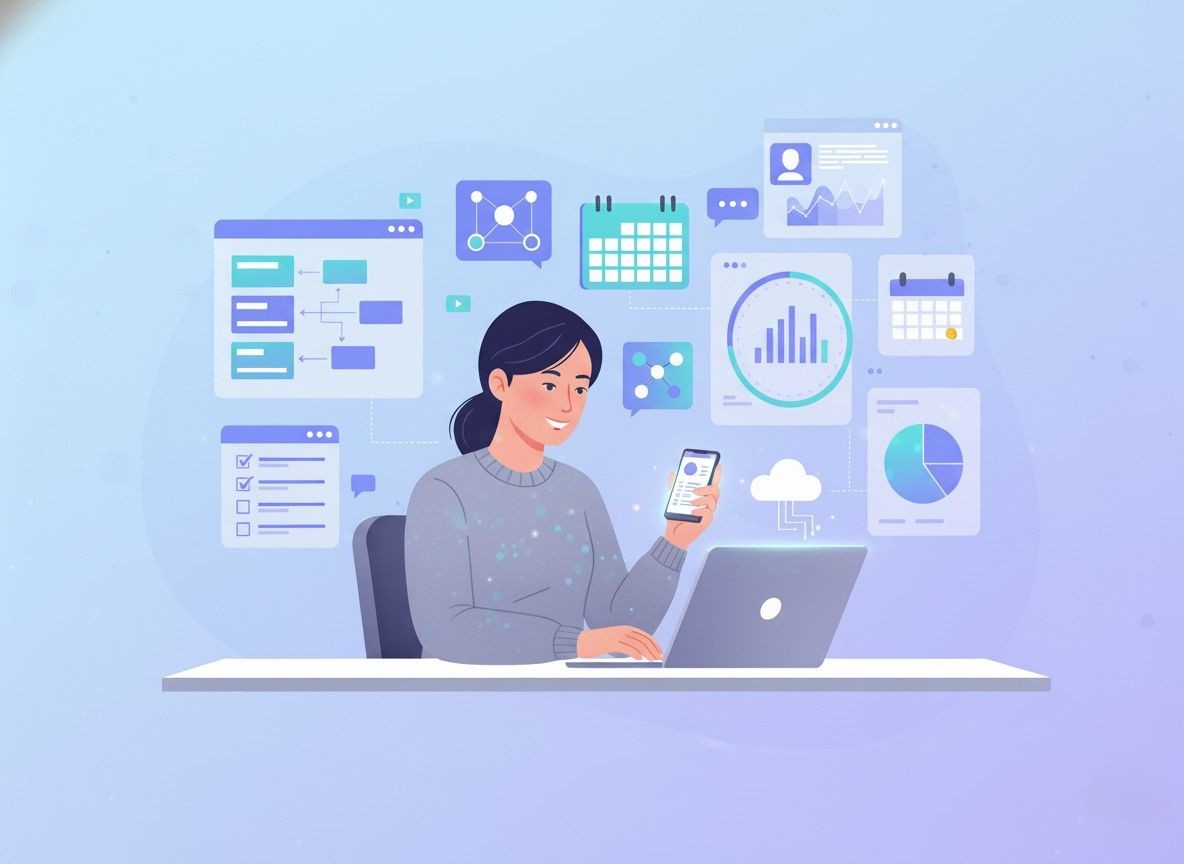
One of the most overlooked aspects of workforce scheduling software is its potential to improve daily life for employees. When shifts respect personal commitments and preferences where possible, people show up more engaged. Modern platforms now allow input from team members themselves, creating a sense of ownership that older systems never offered.
Consider a retail manager who switched to a better workforce management software system after constant weekend coverage complaints. Once team members could easily indicate availability and swap shifts fairly, morale improved noticeably within weeks. The business did not lose operational coverage. It actually gained reliability because people felt heard.
Building Skills While Managing the Day-to-Day
Forward-thinking organizations use workforce software solution features to link scheduling with learning opportunities. Instead of treating training as a separate chore, it becomes part of career growth that fits around work hours. This approach helps with retention because employees see clear paths forward.
Workforce planning software tools can highlight who might benefit from specific courses based on their role evolution. A team member showing interest in management might get recommended leadership modules during quieter periods. These small touches compound over time into real organizational capability.
The Rise of Intelligent Workforce Management Software Solutions
What separates basic tools from truly helpful workforce management software platform options is the ability to learn from your unique operation. Some platforms now offer insights that go beyond simple reports. They can suggest optimal staffing levels based on past busy periods, seasonal demand, or upcoming events.
This does not mean removing human judgment. It means giving managers better information so their decisions are better. A business using workforce scheduling software tools might receive early signals about overstaffing during predictable slow hours, freeing budget for busier times or staff development.
Making Data Work for Everyone
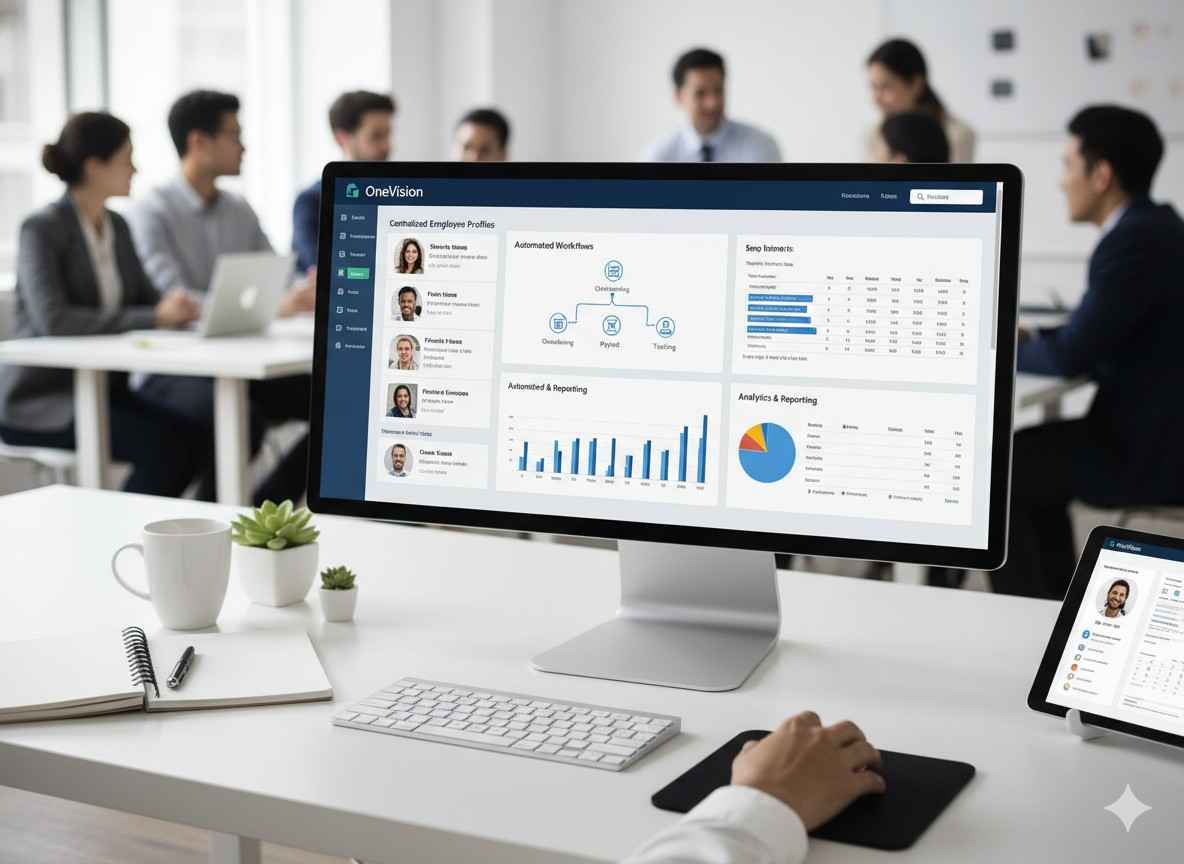
Good workforce software provider solutions focus on clear visuals rather than overwhelming spreadsheets. Leaders get high-level overviews while supervisors see exactly what they need for their teams. Employees might access their own schedules and time-off requests through simple mobile interfaces.
Real-time updates when changes happen
Everyone sees schedule changes immediately without manual notifications.
Clear reasons behind suggested optimizations
Transparency in recommendations builds manager confidence.
Privacy controls that build trust
Employees feel safe when they understand how their data is used.
These elements matter more than many realize when choosing a workforce management software company.
Choosing the Right Workforce Software for Your Stage of Growth
Not every business needs the same level of sophistication. A small team might start with core workforce scheduling system features and expand later. Growing companies often look for a workforce management software application that can scale without major disruptions.
When evaluating options, consider how the platform handles your specific pain points. Does the workforce software system make compliance easier in your industry? Can the workforce software solution provider support multiple locations if you plan to expand? These questions lead to better long-term fits.
Common Questions When Implementing New Tools
Teams sometimes worry about adoption. The best workforce software platform experiences include proper onboarding support and resources that match different learning styles. Some people prefer video guides while others want quick reference sheets. Flexible training options help everyone get comfortable faster.
Workforce optimization software also shines when it connects with tools you already use. Smooth integrations prevent new headaches from appearing while solving old ones.
Real Impact Beyond the Numbers
The most successful implementations of enterprise workforce software share one thing in common. They treat the technology as an enabler for better human experiences rather than a replacement for them.
Staff feel more in control of their time. Managers spend less time on admin work and more time on coaching and relationship building. Business owners gain confidence in their operations because they have reliable information at their fingertips through cloud workforce software solutions.
This creates a positive cycle. Better experiences lead to better retention, which leads to stronger teams and more consistent service for customers.
Looking Ahead With Workforce Software
Software can only last if it adapts to changing work expectations. Whether that means hybrid arrangements, more flexible hours, or continuous skill development, digital workforce management tools that adapt to these realities will help organizations stay competitive while keeping their people at the center.
That is why when businesses invest thoughtfully in workforce operations software, they see unexpected benefits. Teams become more resilient. Innovation starts to happen more naturally when people are not constantly fighting outdated processes. Culture also strengthens when technology removes friction instead of adding it.
Whether you call it employee workforce scheduling software, workforce tracking software, or simply a reliable business workforce software partner, the goal remains the same: creating environments where both people and operations can thrive.
In the end, workforce software can genuinely change how an organization runs, but only when it is chosen thoughtfully and actually fits the way people work day to day. If you are at the stage of exploring your options or thinking about making a switch, tools like OneVision are often looked at because they keep things practical rather than overcomplicated, which is usually what teams need most.
Frequently Asked Questions
Read Other Blogs
Explore more insights and tips on business management

How Does the Best HR Software Help Businesses Make Better Financial Decisions?
Discover how the best HR software helps businesses reduce hidden operational costs, improve workforce efficiency, and make smarter financial decisions through automation, analytics, and better workforce management.






Why Use Software That Helps in Managing a Business?
When running a company, you need software that helps in managing a business, as its tasks, teams, customers, and finances all need your attention. Discover why companies are adopting all-in-one business management systems.