Most HR teams are drowning in spreadsheets they didn’t ask for, and HR reporting software is exactly what helps fix that. Between tracking attendance, pulling payroll numbers, chasing performance data, and building reports for leadership, the manual work never really slows down. And somewhere in all those tabs and formulas, real decisions keep getting delayed. That’s the problem HR reporting software was actually built to solve. Instead of juggling scattered data, it brings everything into one place and makes reporting a lot less painful. In this guide, we’ll break down what it really does, why it matters for businesses of all sizes, and what you should look for when you’re ready to choose one.
What Is HR Reporting Software And Why Does It Actually Matter?
HR reporting software is basically a tool that pulls all your employee data into one place and turns it into reports you can actually use. Instead of jumping between different systems or trying to fix messy spreadsheets, everything sits in one dashboard. So naturally, you get a clear picture of what’s going on in your team without wasting time figuring things out. It covers things like: attendance reporting software, payroll reporting, employee performance reports, and KPI tracking.
Now here’s the part people don’t really talk about. Along with saving time, it’s more about avoiding mistakes. That’s why HR reporting software actually matters. It takes something that’s usually messy and makes it reliable.
The Real Cost of Manual HR Reporting
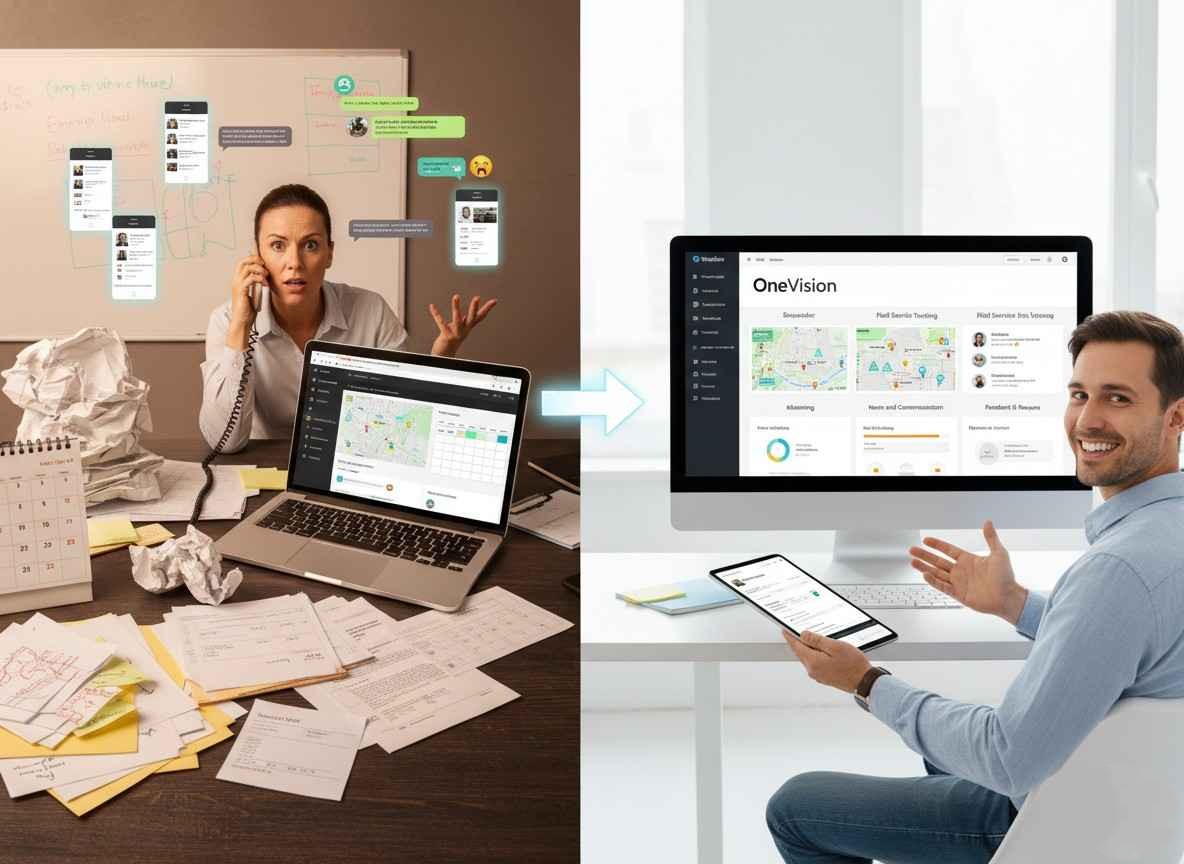
Let's be honest, most HR teams didn't sign up to be data analysts. But without the right HR data reporting tools, that's what the job ends up looking like.
Here's what the manual process typically looks like in practice:
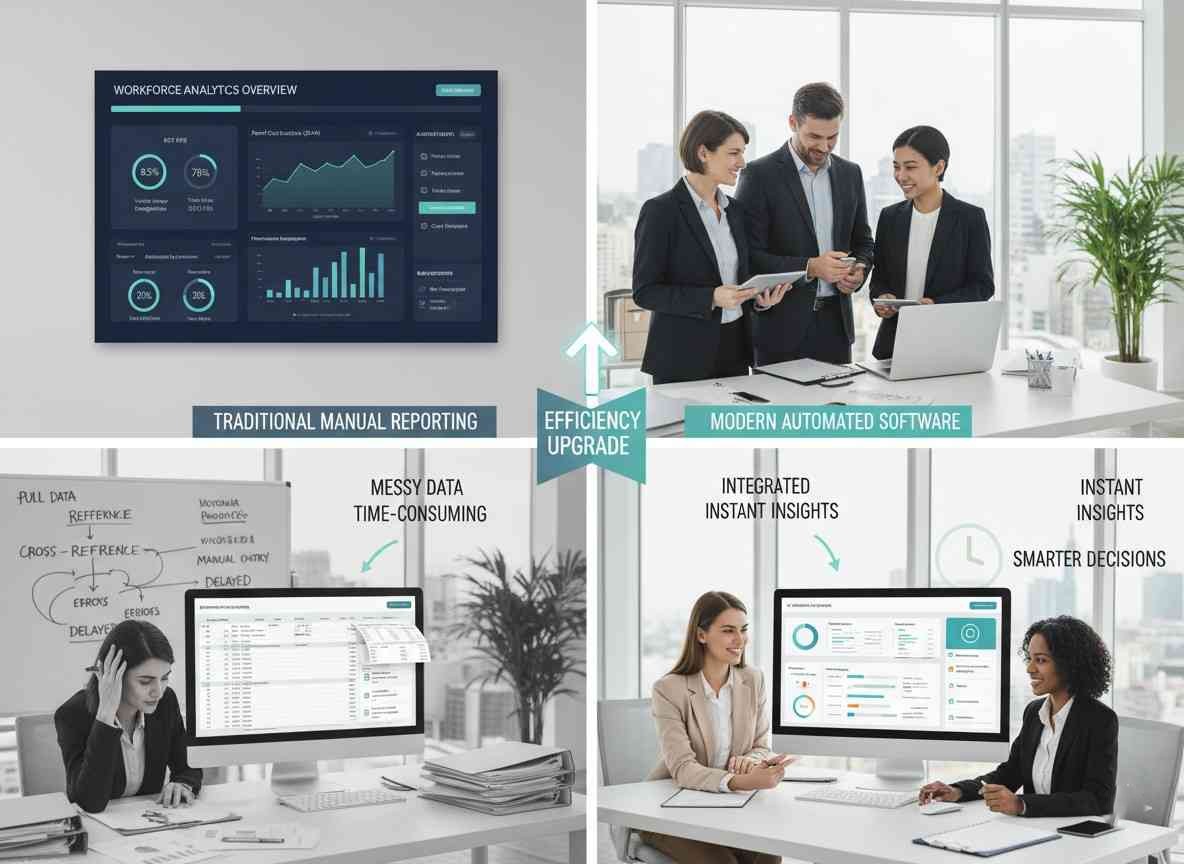
Someone requests a headcount report on Monday. The HR team pulls data from three different systems. They spend two days cross-referencing and cleaning the data. By Wednesday, the report is ready, but some of the numbers are already out of date. It's not a workflow problem. It's a systems problem. And it shows up in every company that's still relying on disconnected tools or spreadsheets to manage workforce data.
Reduce HR reporting errors, and you don't just save time, you make better decisions, faster.
How HR Reporting Software Actually Works
When you switch to a proper HR reporting system, you notice the difference straight away. You can create reports based on what you actually need, and at the same time, set some to run automatically. That way, you’re not chasing data every week; it’s already there when you need it.
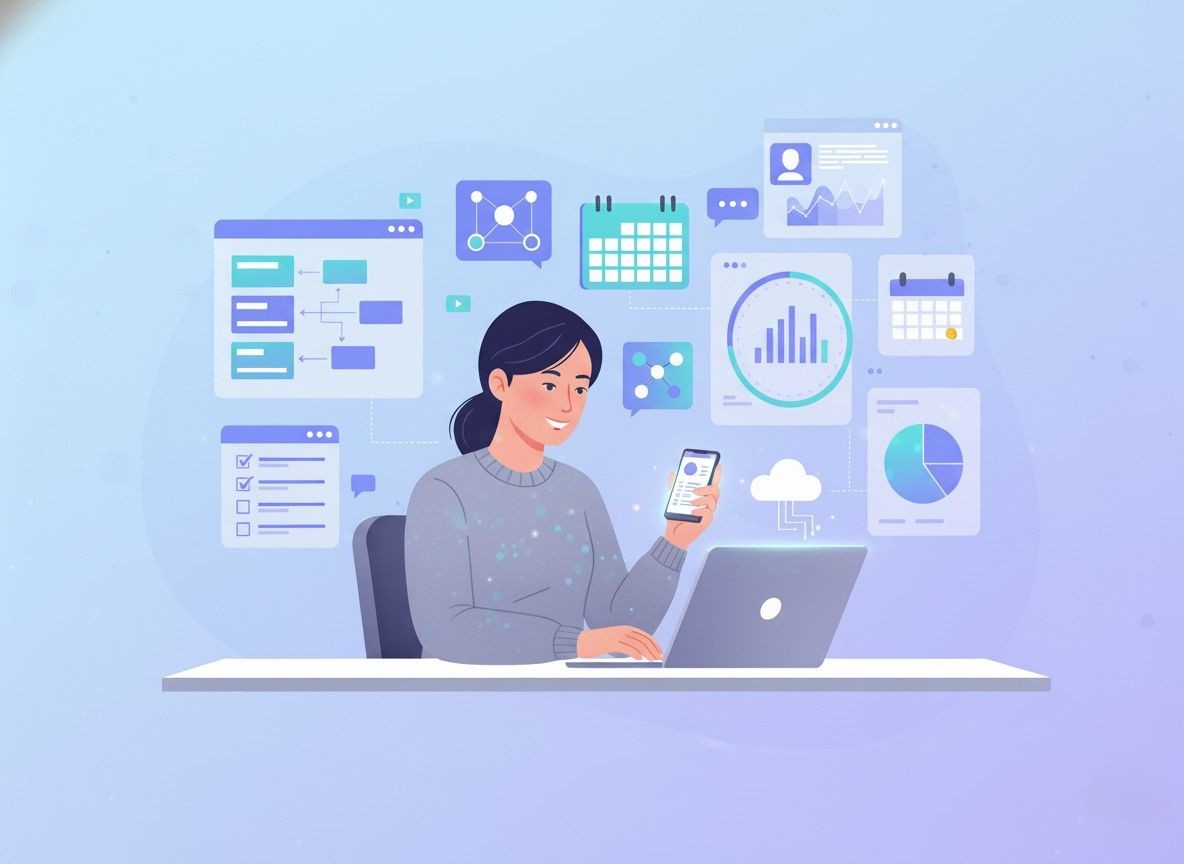
And then there’s the dashboard side of it. Instead of staring at numbers, you see simple charts and trends. This makes things quicker, like a team missing too many days, or one that’s doing really well.
Real-time HR reporting is one of the bigger improvements teams notice early on. Instead of waiting for the end of the month to see how things are tracking, managers can check in anytime and act on what they see.
HR Analytics vs HR Reporting Software: They're Not the Same Thing
A lot of people use these terms interchangeably, but they do different things. HR reporting is about pulling existing data into structured summaries, attendance logs, payroll totals, and turnover rates. It answers the question: what happened? However, HR analytics goes a step further. Using HR reporting with analytics, you can model trends, predict outcomes, and identify risks before they become problems. Think: which teams are most likely to experience burnout in the next quarter, based on overtime patterns and engagement scores.
For smaller teams, reporting is usually enough to get started. But as the business scales, having HR analytics and reporting software in one platform becomes a real advantage, especially when the leadership team starts asking harder questions.
What Good HR Reporting Software Looks Like in Practice
The Dashboard Is Everything. A well-designed HR dashboard and reporting software shouldn't require a training session to understand. The best ones are built so that a department head with no technical background can log in, filter by their team, and immediately see what they need.
Look for platforms that offer role-based access, so managers only see their own team's data while HR admins have full visibility. That combination of accessibility and control makes the tool useful across the whole organisation, not just for the HR department.
Automation Cuts the Busywork
HR reports automation software handles the repetitive stuff: weekly attendance summaries, monthly payroll reports, quarterly performance reviews. Once you set up the templates and the schedule, they run without anyone having to remember to pull them.
Over time, this adds up. Teams that move from manual to automated HR reports typically reclaim several hours every week, which go back into work that actually needs human attention.
Integrations Make It Useful Across the Business
Standalone reporting tools have limits. The most useful platforms offer HR reporting software with payroll integration, HR reporting software with CRM, and connections to ERPs or project management tools. When HR data talks to the rest of the business, reporting becomes genuinely strategic.
Cloud-based HR reporting tools make this easier, since they're built for API connections and work across distributed teams. Whether you're managing a single location or running a global organisation, cloud deployment means everyone works from the same data.
HR Reporting Software for Small Businesses and Startups
It’s a big misconception that only large enterprises need this kind of software. But in reality, HR reporting software for small businesses and HR reporting software for startups exist at every price point, and in many cases, smaller teams actually feel the impact more.
When you’ve got a team of 20 people and maybe one HR person handling everything, time matters a lot. So if they’re stuck building reports manually, they end up spending less time on hiring, culture, and actually keeping things running smoothly.
If you're evaluating options, look for HR reporting software free trial offers before committing. Most reputable platforms let you explore the product properly before making any purchase decision. Comparing through an HR reporting tools comparison helps too, especially when you're weighing features against HR reporting software pricing.
HR Reporting for Remote and Global Teams
Remote work has changed how HR teams operate, and reporting felt it first. As teams spread across different time zones, HR teams can’t just rely on quick check-ins anymore to understand how work is going.
HR reporting software for remote teams provides the kind of structured visibility that replaces what you'd naturally see in an office. Attendance patterns, engagement indicators, and training completion rates all of it becomes trackable, regardless of location.
For larger organisations, HR reporting software for global companies adds another layer: multi-currency payroll data, regional compliance flags, and the ability to roll up workforce data from different entities into a single view. Workforce reporting software at that scale becomes a core part of how leadership understands the business.
AI and the Next Step in HR Reporting
AI in HR reporting is still pretty new, but it’s growing fast. Instead of only showing past data, it also starts pointing things out for you, like rising overtime or early signs of burnout in a team. Because of that, problems are easier to catch before they get bigger.
It also picks up patterns in things like employee turnover that you might miss in normal reports. So instead of just reacting to issues, HR teams can respond earlier. And when it’s used with HR metrics tools, it simply makes it easier to connect day-to-day data with bigger decisions.
What to Look For When You're Choosing a Platform
Here's a quick checklist worth running through before committing:
Does it offer customizable HR reports, or are you locked into templates?
Is real-time HR reporting included, or is data always delayed?
How well does the HR reporting platform handle integrations with your existing stack?
Is there an HR reporting software demo available before purchase?
Does it support hr kpi tracking software features for performance management?
What does HR reporting software SaaS pricing look like at your team size?
Getting answers to these questions early saves a lot of friction later.
Why OneVision Fits Into This Picture
OneVision is built around the idea that workforce management shouldn't live in five different tools. The analytics module brings together KPIs, performance trends, and custom reporting in one dashboard designed for teams that want visibility without complexity.
Whether you're running a small retail operation, a growing startup, or a multi-location business, the platform is built to scale with you. From attendance reporting to employee performance reports, everything connects, so your HR team spends less time pulling data and more time acting on it.
Conclusion
HR reporting software isn't a luxury reserved for big companies with big IT budgets. It's a practical tool that helps any HR team do their job properly with accurate data, less manual work, and the kind of visibility that leads to better decisions.
If your team is still spending hours every week on reports that could be automated, that's the clearest signal it's time to make a change. The right platform will pay for itself quickly, not just in time saved, but in the quality of decisions it enables.
Frequently Asked Questions
Read Other Blogs
Explore more insights and tips on business management
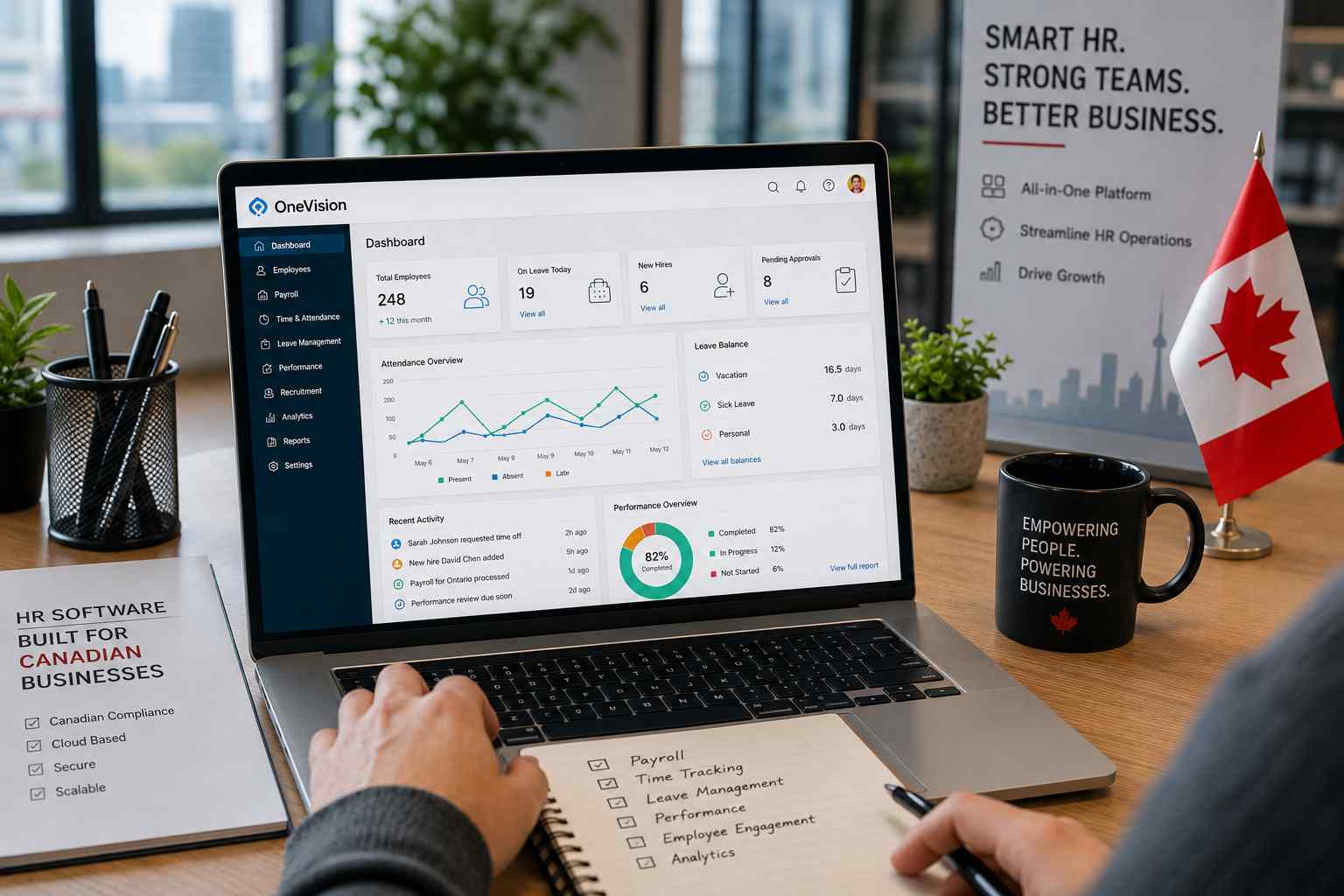
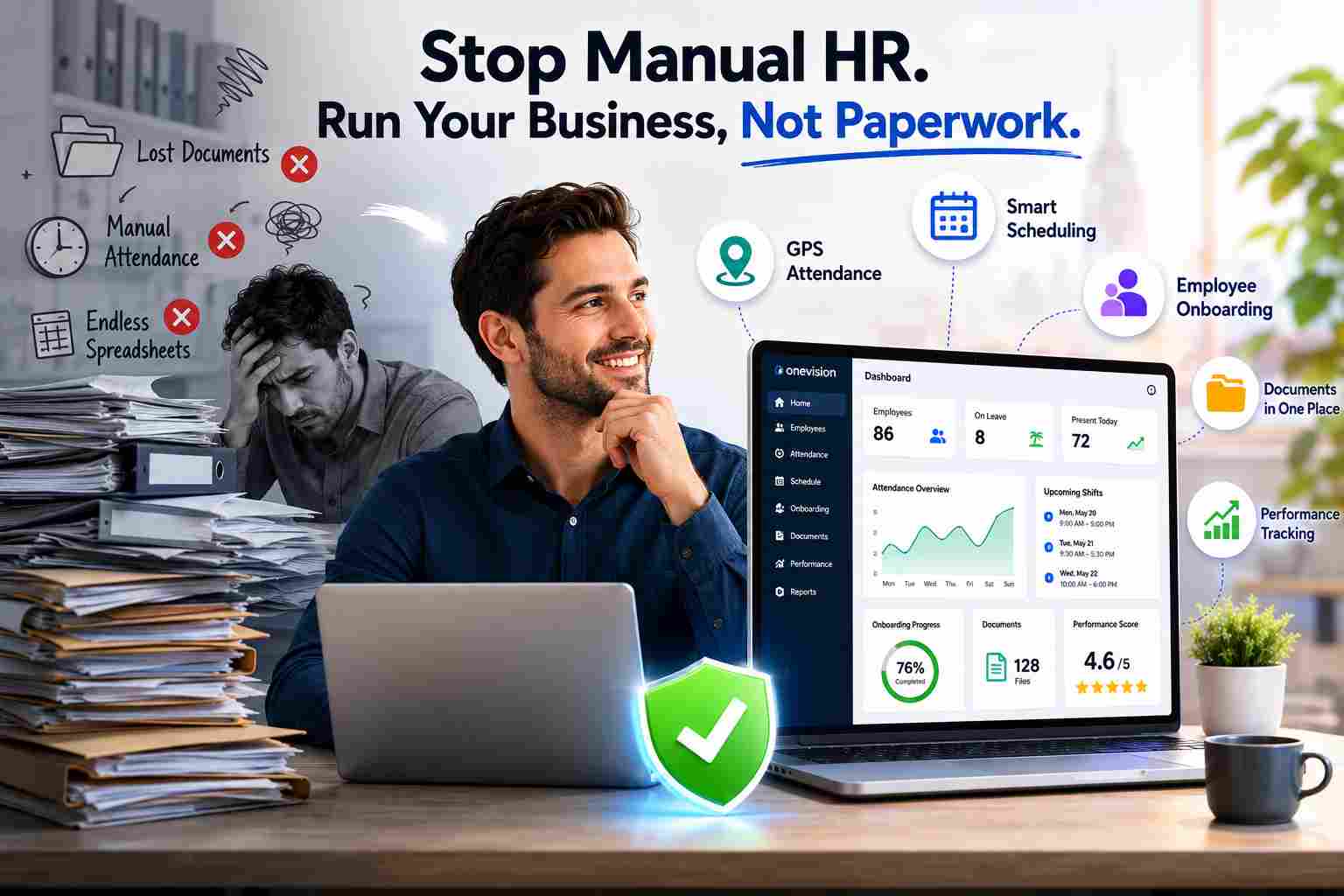


How Does the Best HR Software Help Businesses Make Better Financial Decisions?
Discover how the best HR software helps businesses reduce hidden operational costs, improve workforce efficiency, and make smarter financial decisions through automation, analytics, and better workforce management.
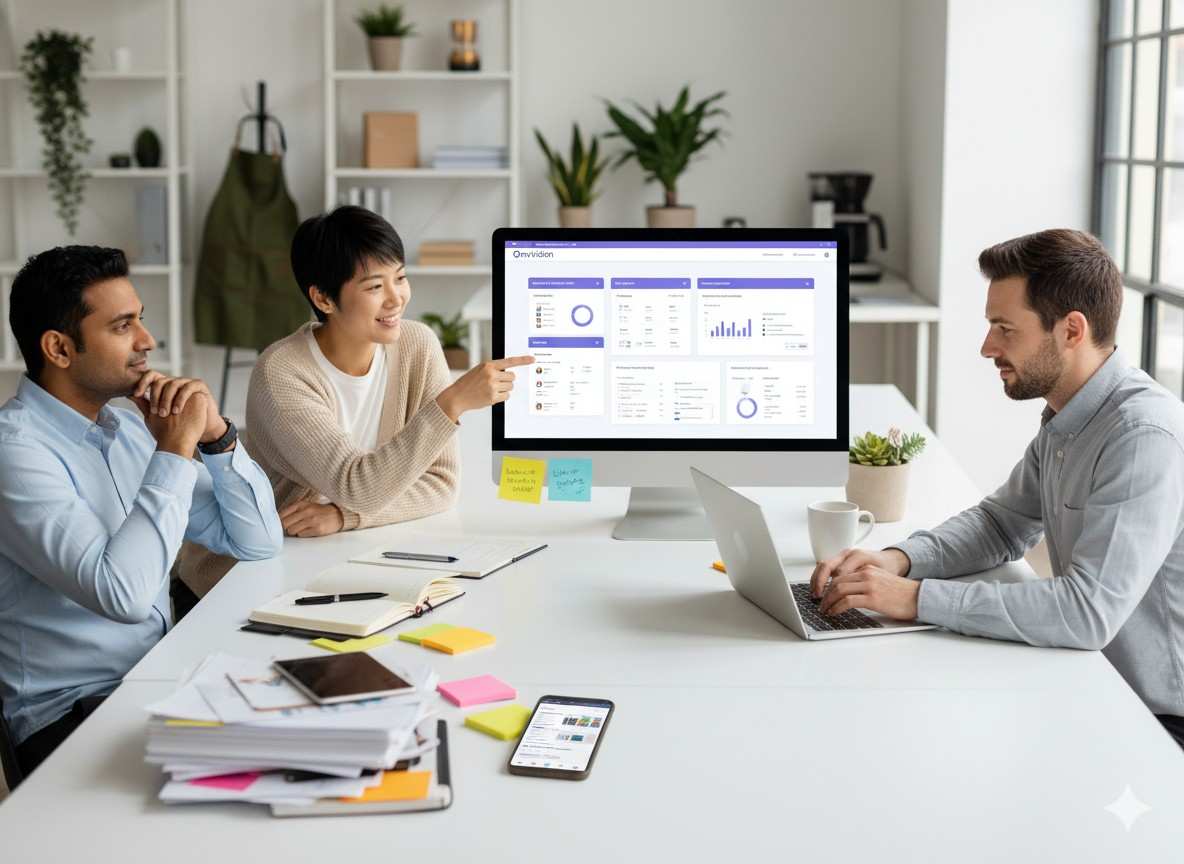
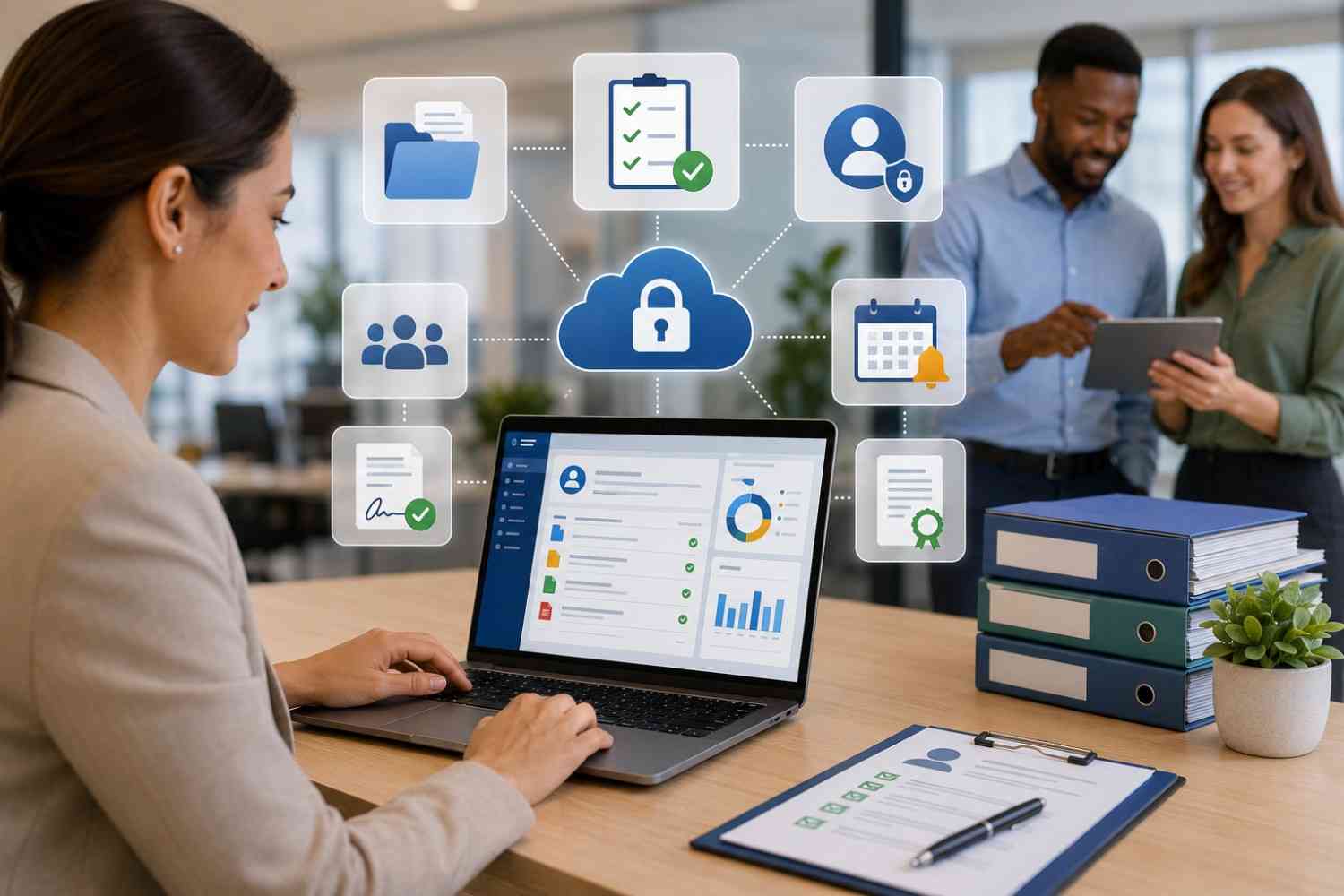








Why Use Software That Helps in Managing a Business?
When running a company, you need software that helps in managing a business, as its tasks, teams, customers, and finances all need your attention. Discover why companies are adopting all-in-one business management systems.