
When running a company, you need software that helps in managing a business, as its tasks, teams, customers, and finances all need your attention. At first, people manage everything with spreadsheets and emails. That works for a while. But eventually things get messy. Files get lost. Tasks get delayed. And managers struggle to see what is really happening.
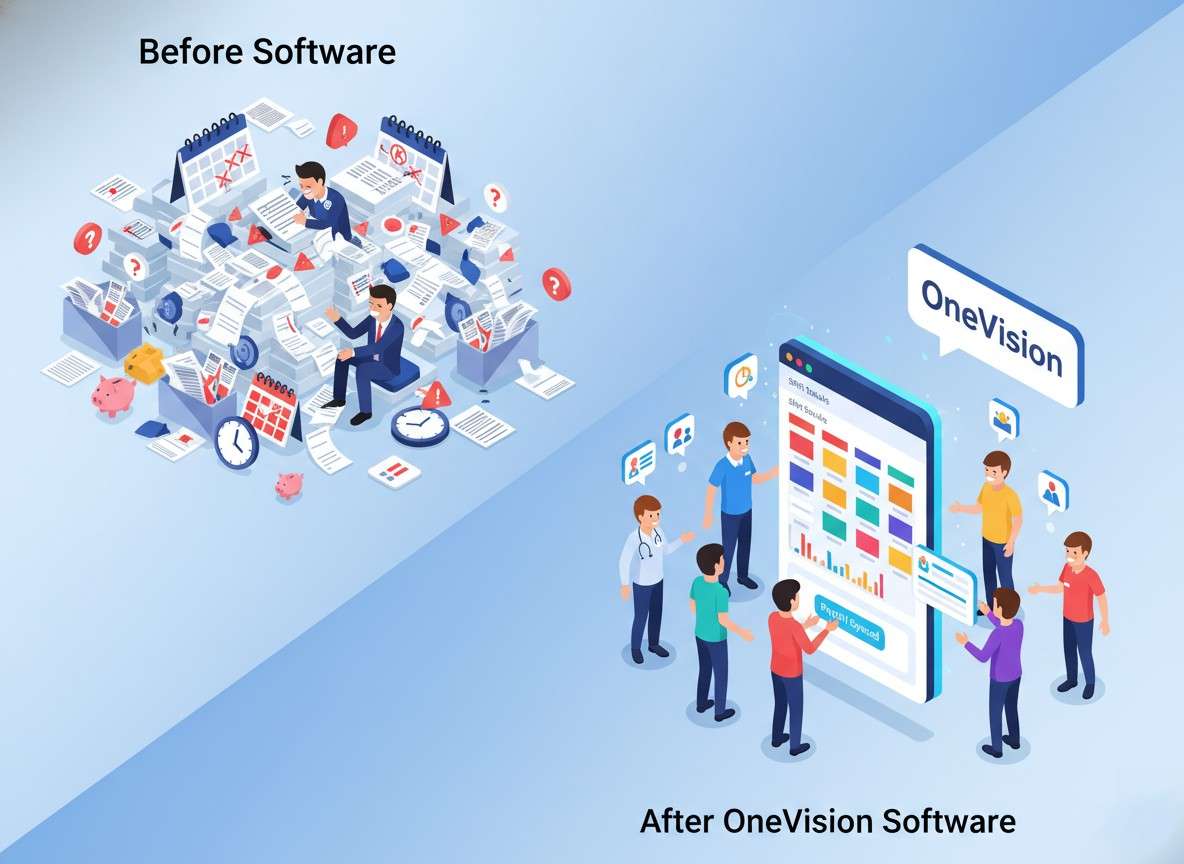
Instead of scattered tools, they use a single business management system to organize work. These platforms connect teams, projects, customers, and reports in one place. As a result, businesses gain clarity and control.
Why People Are Moving Towards Software That Helps in Managing a Business?
Many companies realize they need better systems only after problems appear. For example, teams miss deadlines. Or managers cannot track progress. Sometimes customer data lives in different tools. Because of this, operations become slow.
A modern business management software platform helps solve many of these problems. It gives businesses one clear place to manage their work. Instead of guessing what is happening, teams can quickly see everything in front of them.
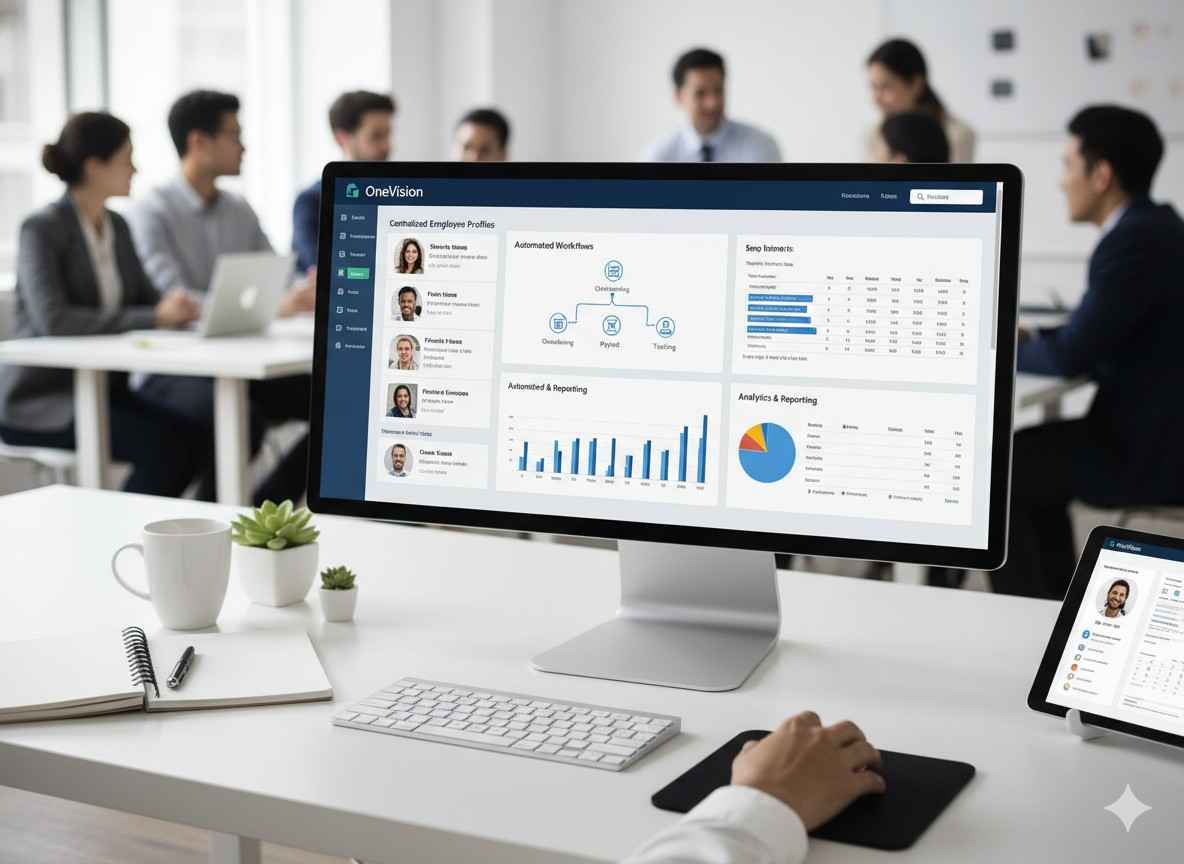
For example, platforms such as OneVision can help teams:
Assign tasks to the right people
Ensure work gets distributed efficiently
Track progress as work moves forward
See real-time updates on project status
Keep files and updates in one place
No more scattered documents or lost information
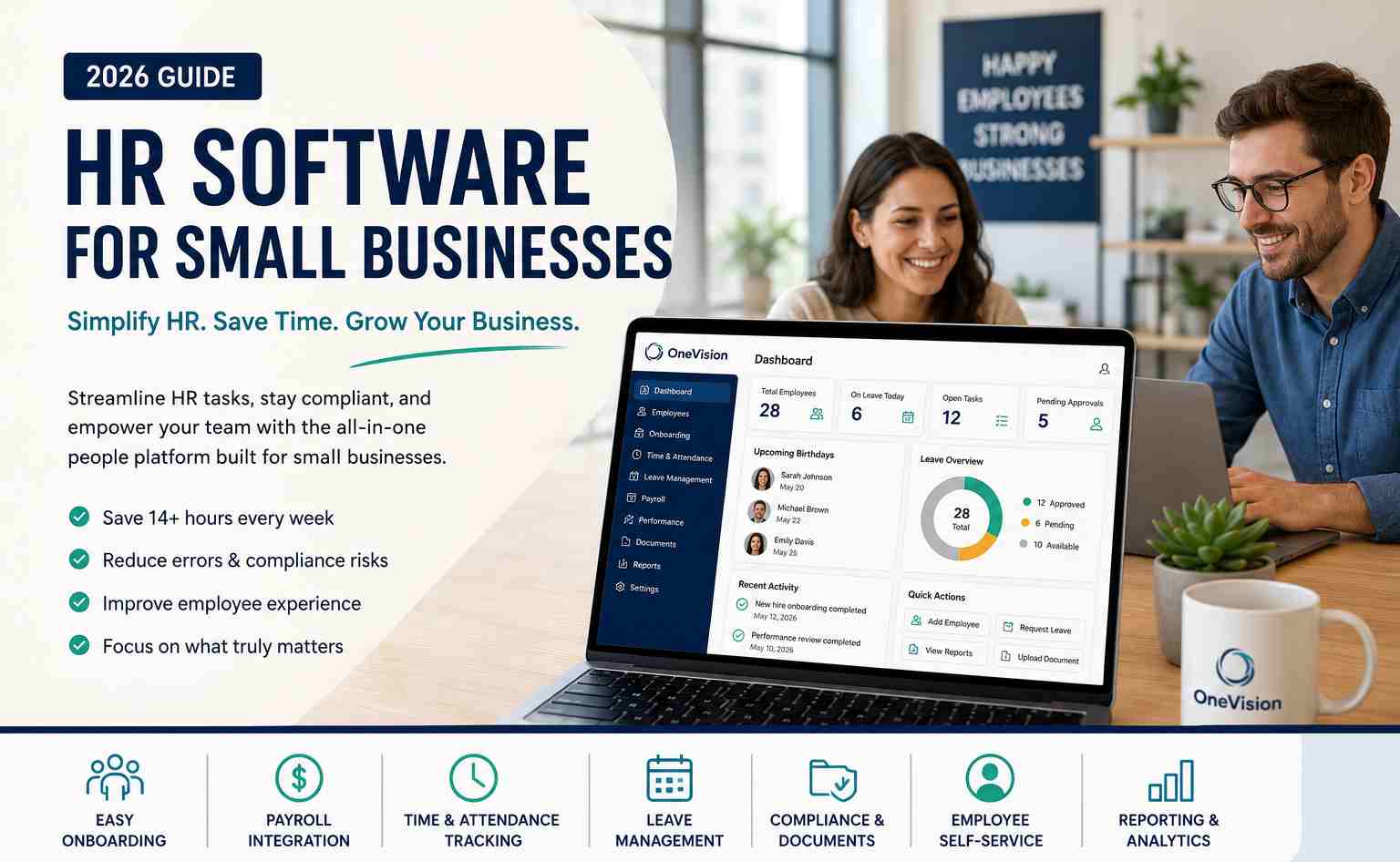
Show managers what is happening through one dashboard
Gain visibility over all operations at a glance
This is the reason why companies are now preferring all-in-one business management software. So they don't have to go through the hassle of keeping their work simple and easy. Instead, it gets done through the software itself.
Moreover, teams don't need to worry about having to jump from one app to another. Instead, everything sits in one platform. Work becomes easier to follow. It also saves time.
That is why many startups begin with small business management software. Later, as the company grows, they move to larger systems that support more teams and operations.
What Makes Software That Helps in Managing a Business So Useful?
Many companies realize they need better systems only after problems appear. For example, teams miss deadlines. Or managers cannot track progress. Sometimes customer data lives in different tools. Because of this, operations become slow.
A modern business management software platform helps solve many of these problems. It gives businesses one clear place to manage their work. Instead of guessing what is happening, teams can quickly see everything in front of them.
How Software That Helps in Managing a Business Improves Daily Workflow
Daily operations involve many small processes. For example, tasks must move from one team to another. Reports must reach managers on time. Without structure, these steps slow down work.
This is where business workflow management software becomes useful. It organizes tasks into clear workflows. For example, a task may start with a sales request. Then it moves to operations. Finally, it reaches finance for approval.
Many companies rely on company management software to manage this flow. Larger organizations often use enterprise business management software to make different departments work together. Meanwhile, smaller teams prefer simpler business process management software that focuses on automation. In both cases, the goal is the same: smoother operations and fewer delays.
How Online Business Management Tools Help Teams Work Together
Team coordination is another major challenge for companies. When people work in different departments or locations, there are a lot of communication gaps.
Modern online business management tools help solve this issue. These tools allow teams to collaborate inside one platform. Files, messages, and tasks all stay in the same environment.
Many companies now rely on integrated business management software because it connects departments. Sales teams can share updates with operations. Managers can monitor progress without sending lots of emails.
This structure makes things productive. It also reduces confusion across teams.
SaaS Business Management Platforms and Cloud Business Management Systems
Technology has changed the way businesses use management tools. Instead of installing software on local computers, many now use cloud systems.
A SaaS business management platform runs online, so teams can access it from any browser. This makes the system flexible and easy to grow as the business expands.
That's why more companies prefer cloud-based management software. Mostly because it works well for remote teams and offices in different locations. For example, a platform like OneVision lets teams handle operations from anywhere.
These systems often act as a complete solution. They do that by combining tracking, automation, and reporting tools in one place. Apart from that, some businesses even make their own software to match the way they work.
Hence, by using these tools, companies can stay organized, save time, and keep everything running smoothly.
However, many organizations choose ready-made business management software platforms because they are easier to deploy.
ERP Business Management Software and CRM Business Management Software
Some businesses need deeper operational control. In those cases, specialized tools become important.
For example, ERP software helps businesses handle their day-to-day operations. It works as a complete system, linking finance, inventory, purchasing, and reports all in one place.
Many companies use integrated ERP management software so that data flows between departments smoothly.
On the other hand, CRM business management software focuses on customers. It tracks leads, deals, and communication history.
Together, these tools often form a cloud business management system that supports both operations and customer relationships.
Many vendors also offer SaaS business management tools that combine ERP and CRM features. These systems act as business management software solutions.
Some even function as project and business management software. They help teams track tasks while keeping a check on overall performance.
Furthermore, when delivered online, they operate as a full online ERP software platform that you can access from anywhere.
Why Business Management System Dashboards Matter
Data helps businesses make better decisions. However, raw numbers alone are not helpful. Managers need clear insights.
This is why many platforms include a business management system dashboard. Dashboards turn complex data into simple visuals. Leaders can quickly see trends, performance metrics, and team progress.
A strong business management platform for companies provides real-time visibility. Managers no longer wait for manual reports. Instead, they open the dashboard and review results instantly.
This is another reason companies adopt software that helps manage a business online. It keeps leaders informed and improves decision-making.
Choosing the Best Management Software for Business
Selecting the right platform requires careful evaluation. Every company has different needs.
Some companies focus on automating tasks, while others care more about tracking data or managing projects. Usually, they try out different tools before picking the one that fits best.
If we consider smaller firms, the right software for running a small business handles invoicing, tasks, and customer data.
But the Bigger companies need tools that organize work across departments. For this, advanced systems help these businesses grow without slowing down.
Apart from that, Many modern systems also include software for managing teams and business tasks. These are for everyone to know what their tasks are and what to do.
In the end, businesses look for the best system to manage their business online. The platform should be easy to use and flexible enough to grow with the company.
That is why many organizations now depend on cloud tools for business management that support both productivity and collaboration.
Conclusion
Businesses today operate in a fast and competitive environment. Teams must move quickly. Data must stay organized. Decisions must be based on real information.
Without the right systems, managing operations becomes difficult.
This is where software that helps in managing a business plays a critical role. These platforms bring structure to daily work. They automate tasks, connect departments, and provide valuable insights.
More importantly, they allow companies to scale without losing control.
As businesses grow, keeping things organized becomes more important. Companies that pick the right business management software can work faster, and have a clear idea on what's happening.
Frequently Asked Questions
Read Other Blogs
Explore more insights and tips on business management




How Does the Best HR Software Help Businesses Make Better Financial Decisions?
Discover how the best HR software helps businesses reduce hidden operational costs, improve workforce efficiency, and make smarter financial decisions through automation, analytics, and better workforce management.