
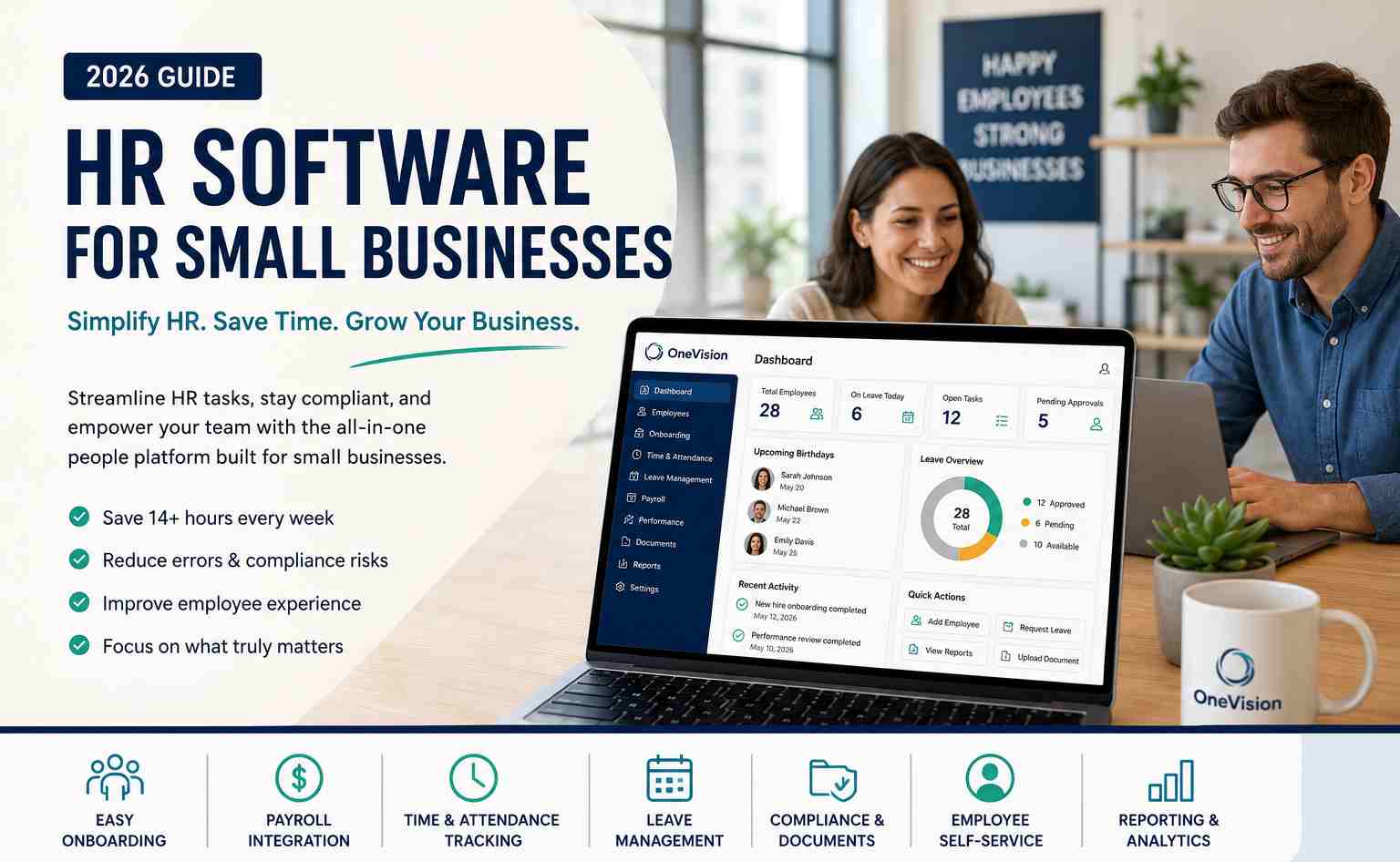
Human resource management software for small businesses should not wait until a company grows bigger. Even small teams and startups have a lot of tasks to handle from the start. For example, they need to manage employee records, payroll, onboarding, schedules, attendance, and performance.
However, when these tasks are done manually, mistakes can happen easily. For instance, shifts can be missed, employee files can stay incomplete, and payroll can get delayed. As a result, communication also becomes weak, and business growth slows down.
That is why more businesses are now using cloud-based HR software for small teams. This software helps them keep everything in one place. As a result, work becomes easier, faster, and more organized.
Why Human Resource Management Software for Small Business Matters
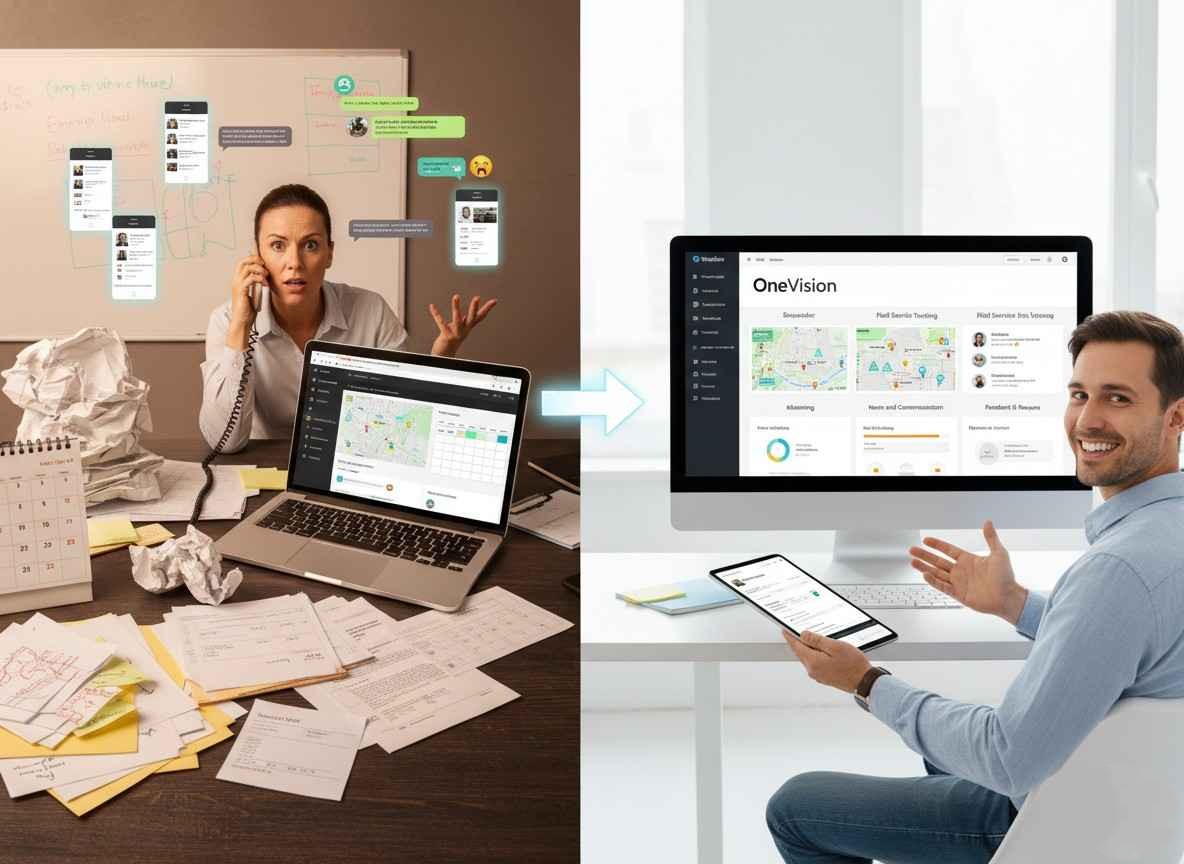
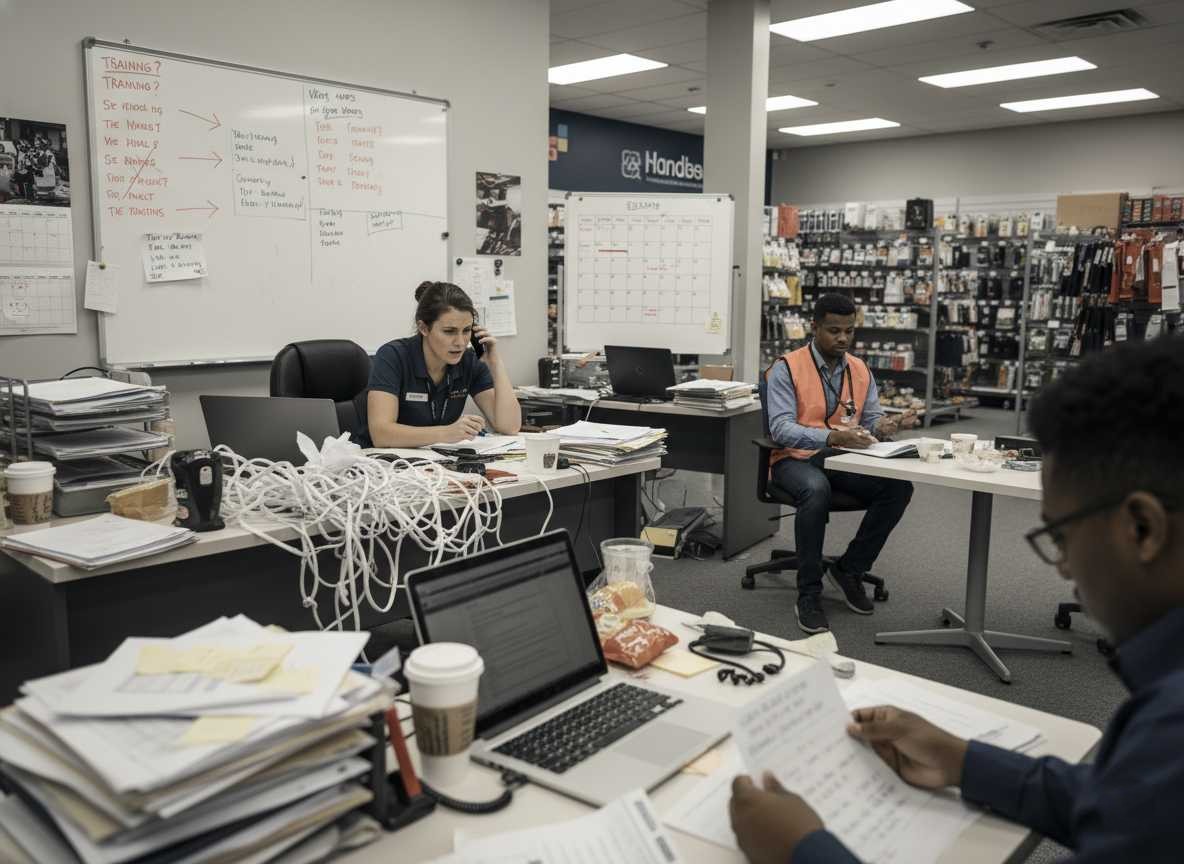
Many small companies still manage HR manually. They do that by using Excel sheets, paper documents, emails, and separate apps for payroll, attendance, and communication.
However this creates issues like delays and errors.
For example: Payroll takes hours every month. Leave requests get lost in chats. Attendance records are incomplete. Employee documents are scattered. Managers cannot track team performance easily. Onboarding new employees takes too long.
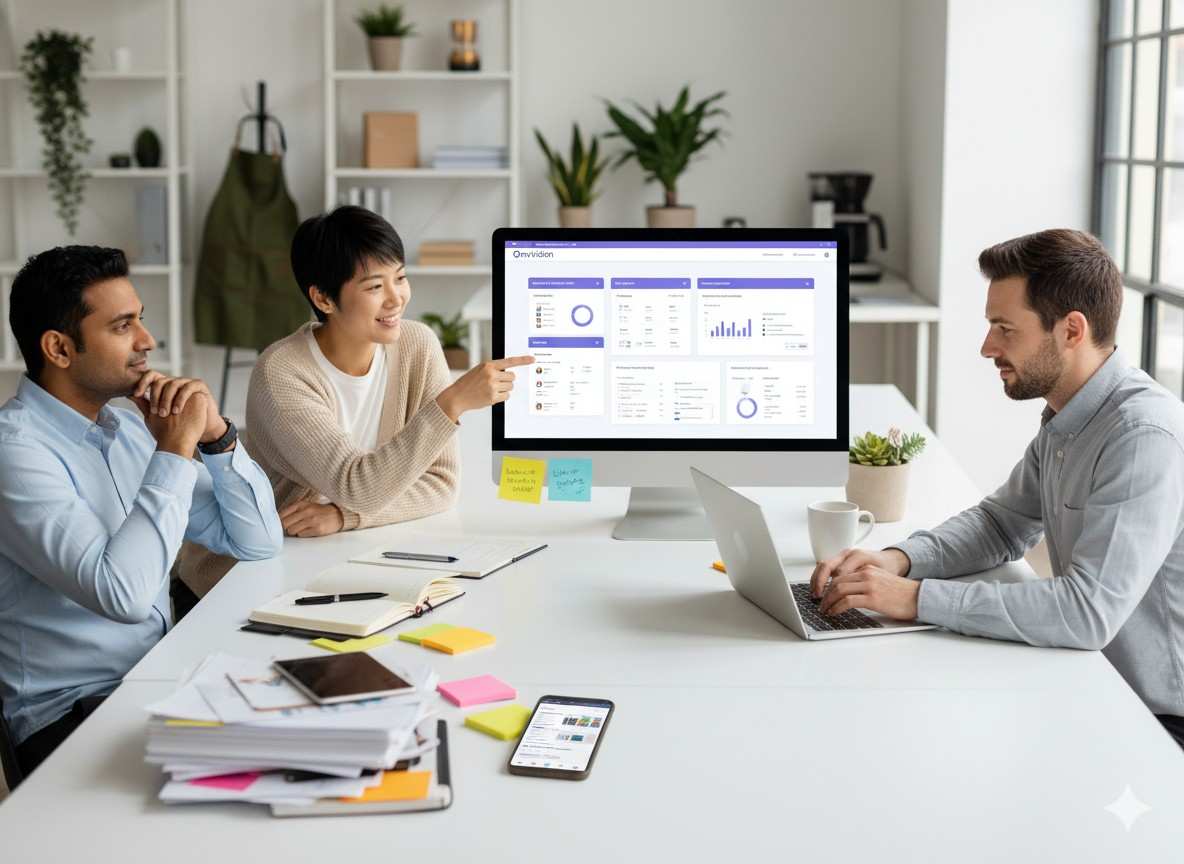
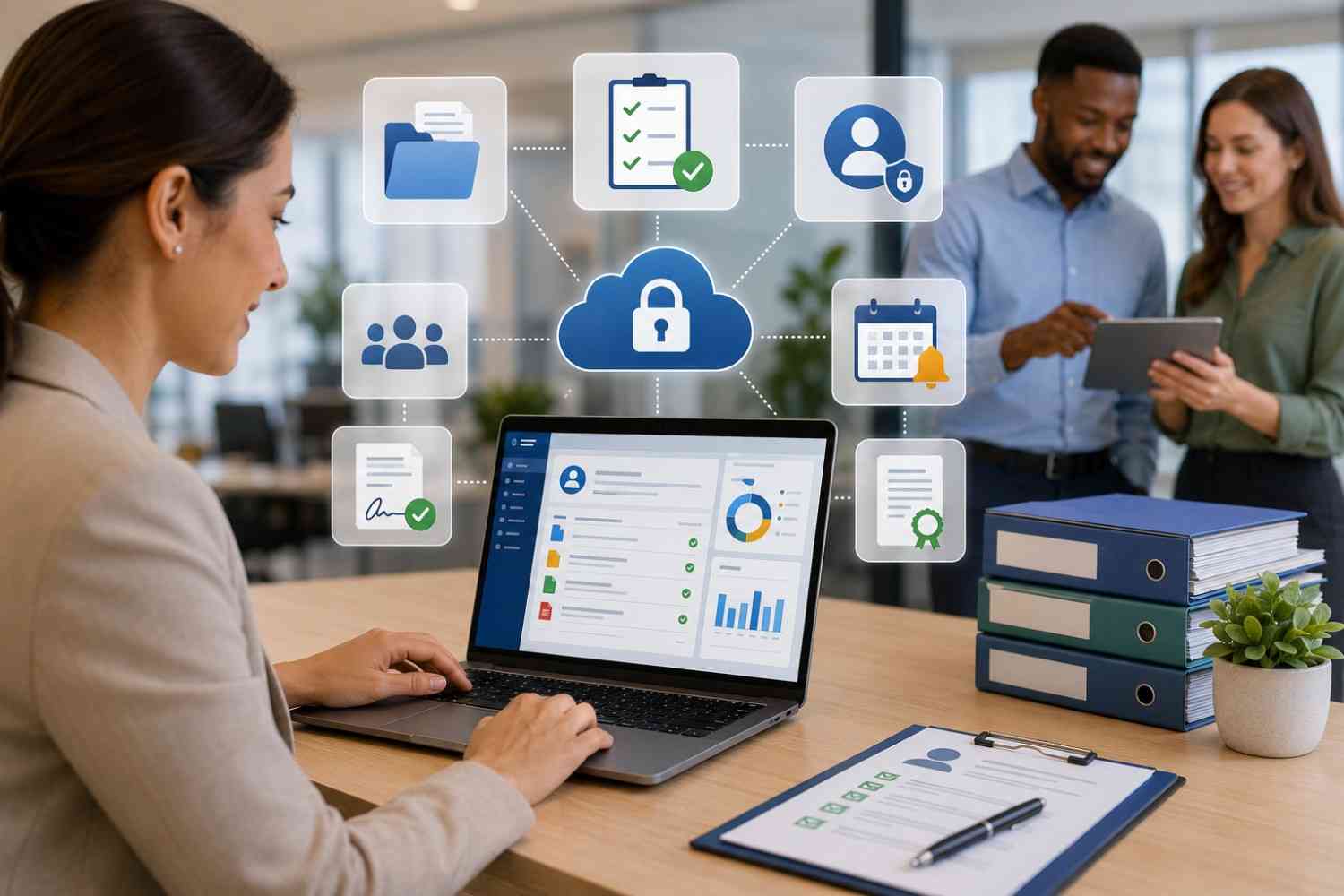
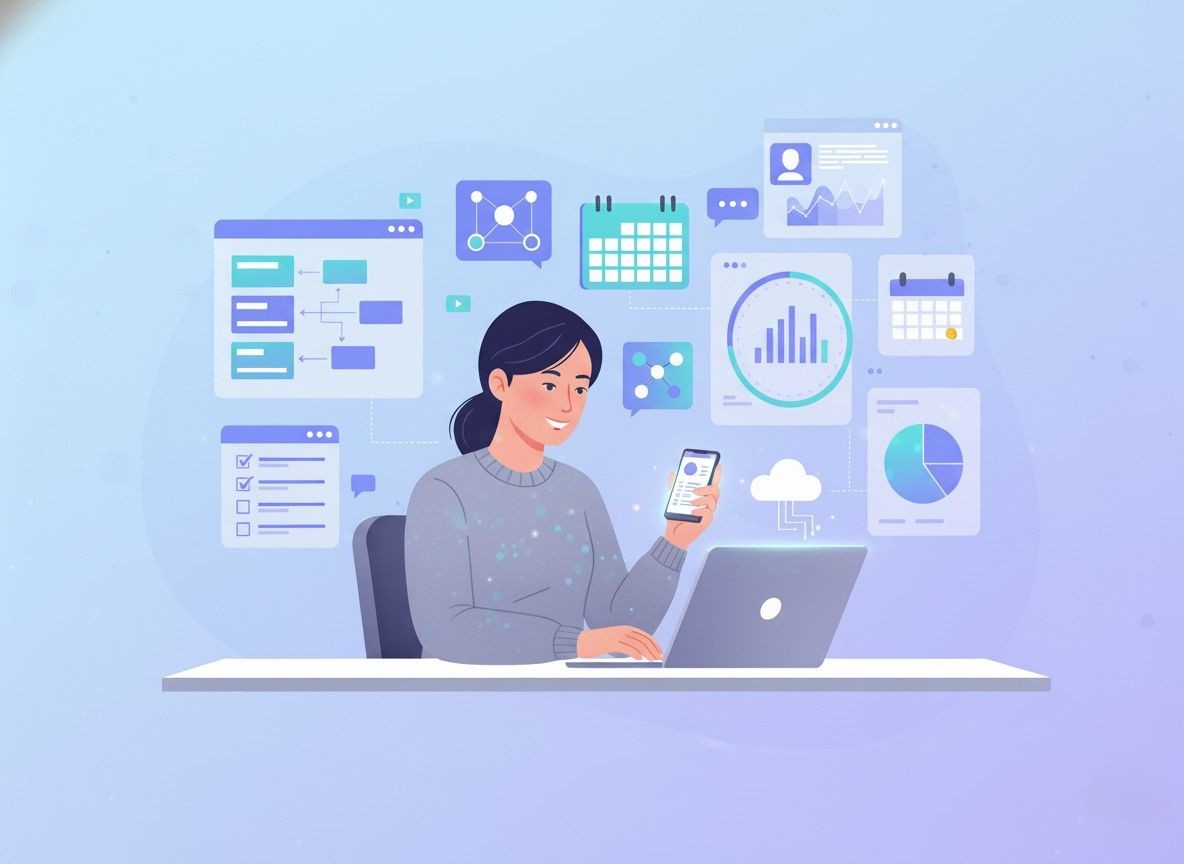
But HR software for small business solves these problems by putting everything in one place. Instead of using many different tools, managers can use one system for employee records, payroll, attendance, onboarding, communication, and reports.
At the same time, cloud HR software helps remote teams and businesses with different locations stay connected.
How to Look for the Best HR System for Small Business
The best HR software for small business is not always the one with the most features. In fact, small teams usually need something simple, easy to use, and affordable.
A good HR management system for startups should help with employee onboarding, attendance tracking, leave management, employee database management, payroll integration, performance management, recruitment, analytics, internal communication, and scheduling.
Moreover, the best HR software for startups is easy for employees to learn. This is important because small teams do not want anything confusing.
Also, many business owners prefer cloud-based HR software for small teams. This is because it works on any device and in different locations. So, employees can easily clock in, check schedules, and see updates from anywhere.
What's the Difference: HR Software vs Manual HR Management
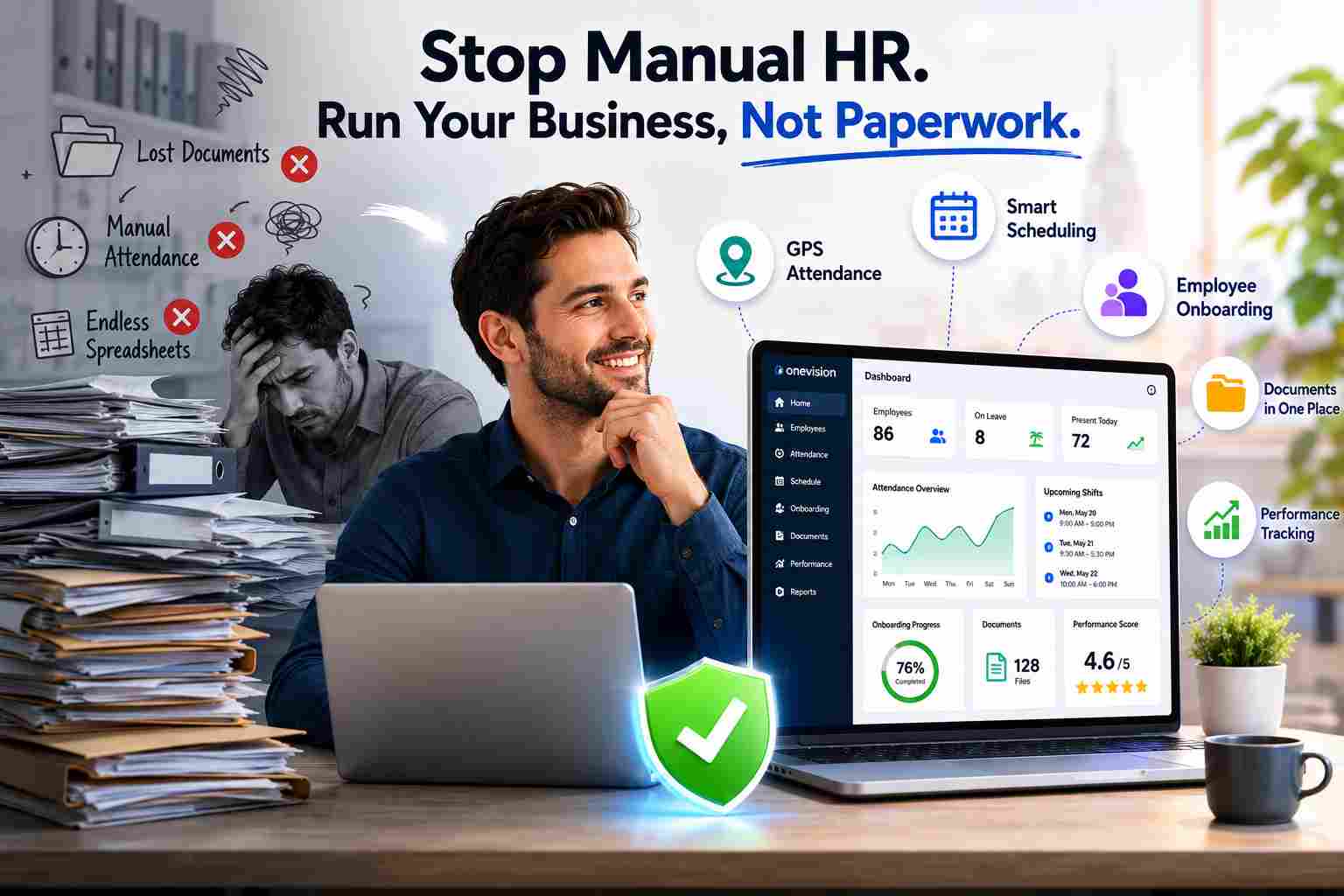
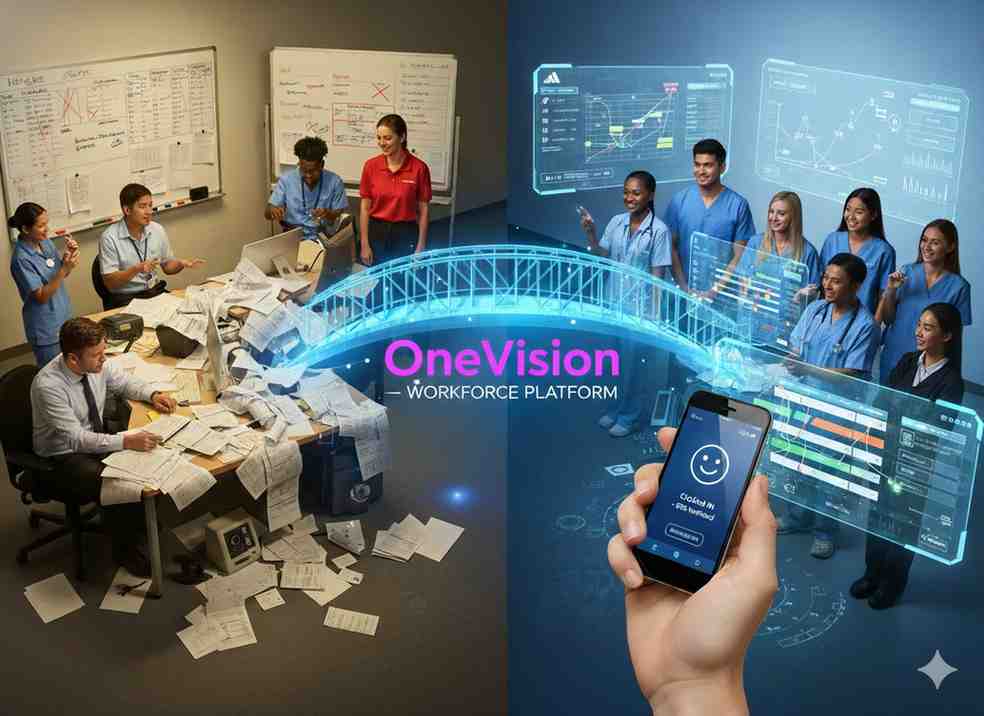
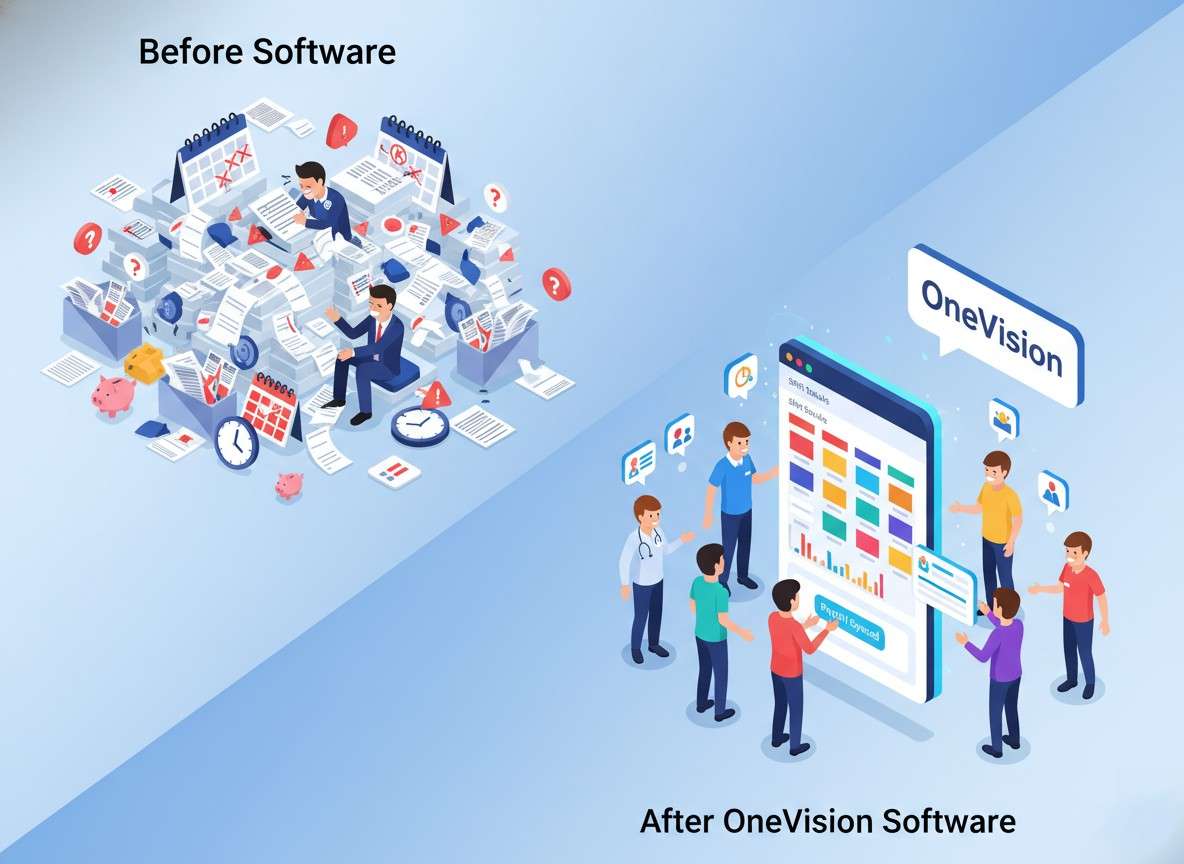
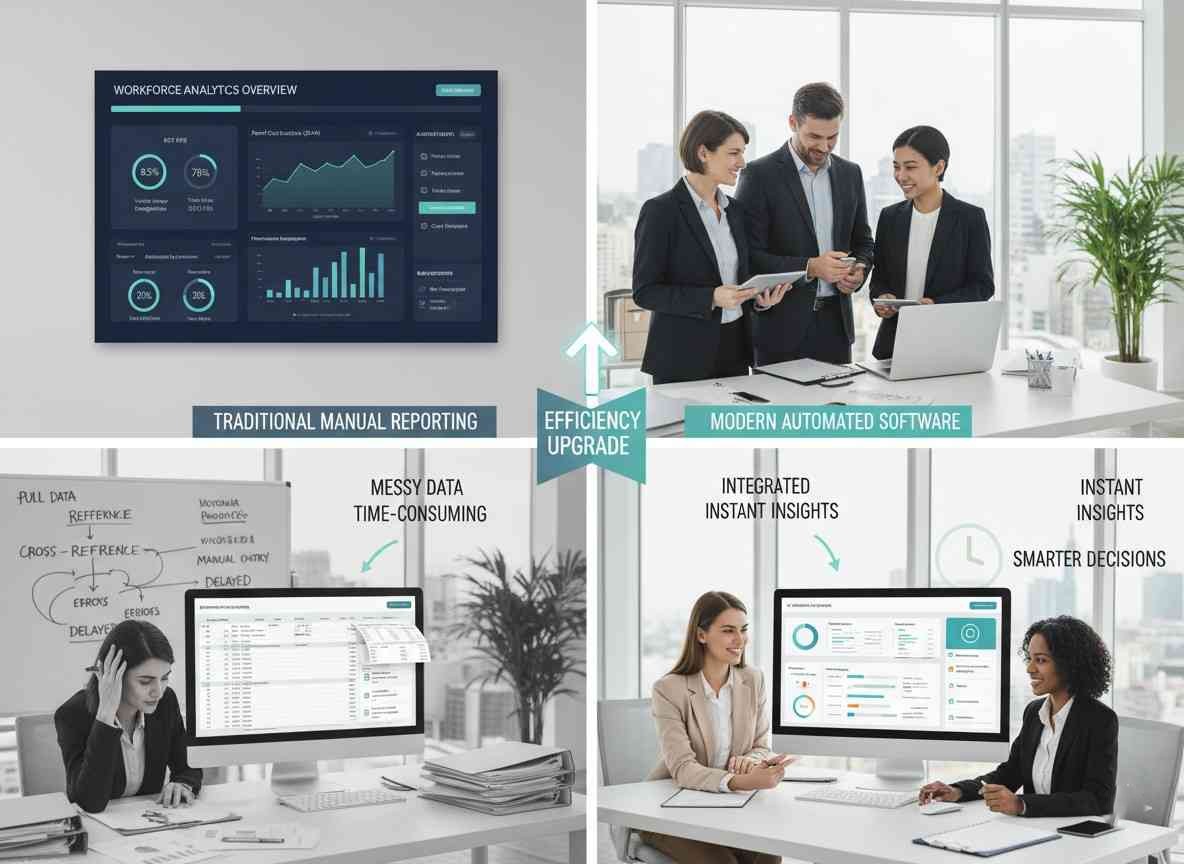
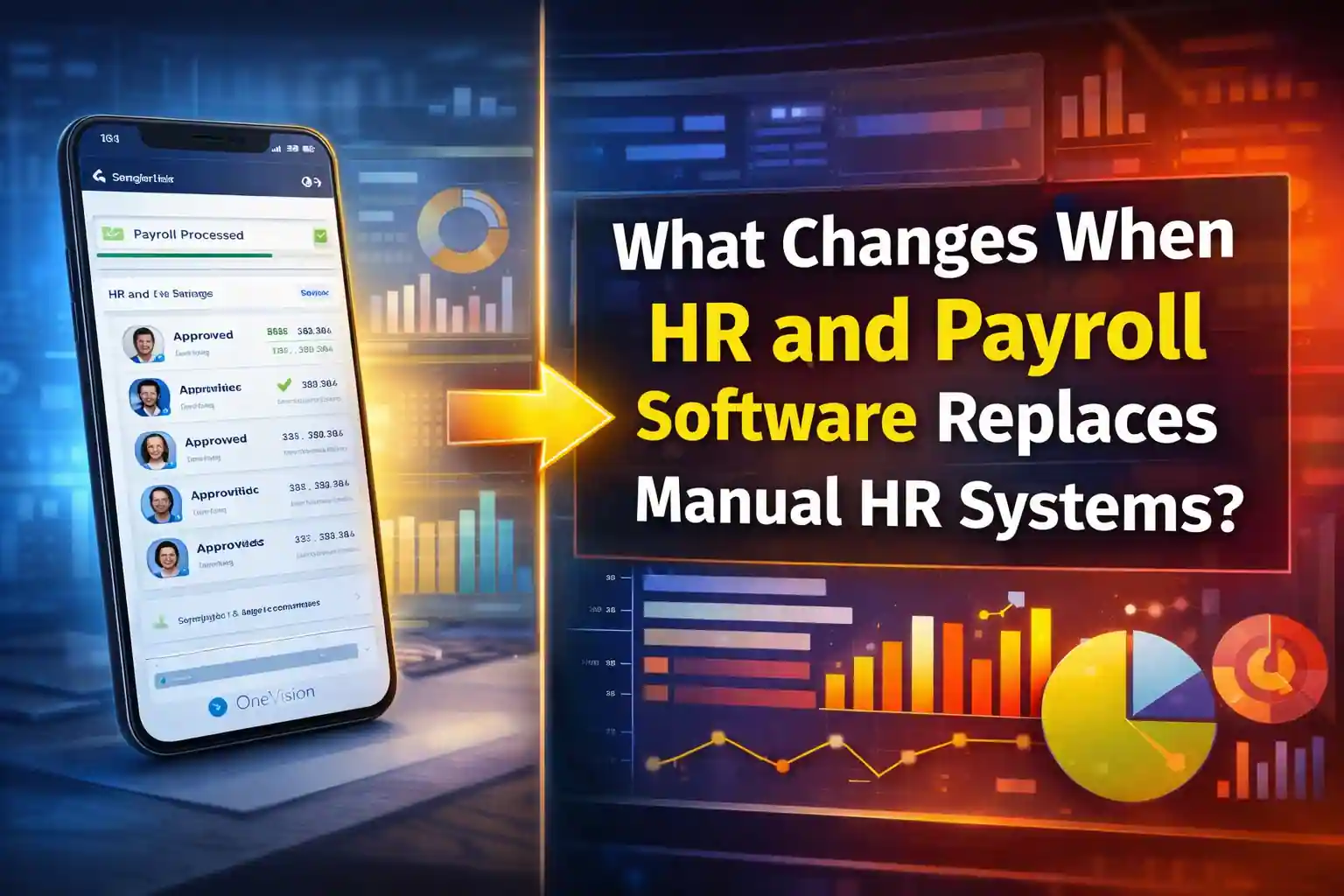
Manual HR management may seem affordable in the beginning. However, over time, it often becomes more expensive. That is because manual work leads to mistakes, delays, and repeated tasks.
For example: payroll errors can upset employees. Missing attendance records can affect salaries. If documents are lost, it can create compliance issues. Poor onboarding can make new hires leave faster. And time gets wasted on paperwork.
But HR automation software for small business helps remove these issues by automating repetitive tasks. This means managers spend less time on admin work and more time growing the business.
What are Some Important HR Software Features for Small Business
Not every company needs the same tools. However, there are some HR software features for small business that almost every team needs.
Employee Database Management System
Every business needs a central place to store employee records. An employee management software for small business should make it easy to find and update this information quickly. This includes contact details, job roles, documents, joining dates, salary details, attendance records, and performance reviews.
Employee Onboarding Software Small Business
Hiring someone is only the first step. Then, onboarding them is just as important. A good HR system for new businesses should help with offer letters, employee documents, training checklists, welcome materials, and policies and agreements.
Digital onboarding also helps small businesses look more professional. In addition, some HR tools let employees upload documents and complete forms online before their first day. This makes the process faster and easier for everyone.
Attendance Tracking HR Software
Attendance management is one of the biggest reasons companies switch to HR software. Modern attendance tracking HR software can include GPS clock in and out, mobile attendance, biometric integration, shift tracking, work from home tracking, and late arrival alerts.
Hence, if you have businesses with remote teams, field workers, or multiple locations, this could come in handy.
Leave Management System Small Business
Manual leave requests are hard to manage. Because of this, employees send messages, and managers often forget approvals. Also, HR can lose track of leave balances.
With a leave management system for small business, everything becomes easier. Employees can apply for leave online. Managers can approve requests quickly. Teams can see who is off and when. This way, confusion is avoided, and managers can plan schedules better.
Human Resource Management Software With Payroll for Small Business
Payroll is one of the most important parts of any HR system. The best payroll and HR software for small businesses helps with salary calculations, payslips, overtime, attendance integration, tax calculations, reimbursements, and payroll reports.
HR payroll integration software is especially helpful because it connects payroll directly with attendance and leave records.
Recruitment Software for Small Business
Hiring is hard for small businesses because they often do not have a dedicated HR team. Luckily, recruitment software for small business can help. For example, it can manage job posts, applications, interviews, and candidate records.
Also, some platforms include onboarding tools. This way, candidates can move into the employee system without entering data again.
Performance Management HR Tools
Performance reviews are often forgotten in small companies. But regular feedback helps employees stay motivated and improve. Performance management HR tools can include team reviews, ratings, employee feedback, goal tracking, action plans, and progress reports.
HR Analytics Software Small Business
Good HR software does not just store information. It also helps businesses make better decisions. HR analytics software for small business can help track attendance trends, overtime, employee turnover, productivity, shift coverage, and hiring performance.
At the same time, real-time reports help managers spot issues early and plan better.
HR Tools for Managing Employees Remotely
Remote work is now common for many small businesses. Because of this, more companies are looking for HR software that remote teams can use easily.
Remote-friendly HR software should include mobile access, GPS attendance, employee communication tools, shift scheduling, file sharing, announcements, online training, and feedback systems.
This way, remote employees stay connected and informed. Also, many business owners want HR tools that work on mobile, desktop, office, and remote teams.
HR Software for Less Than 50 Employees
Businesses with fewer than 50 employees often think they do not need HR software. But small teams benefit the most because they usually have fewer admin resources.
Also, simple HR software for small business helps reduce manual work right from the start. For companies under 100 employees, the most useful features are usually employee profiles, attendance management, leave tracking, payroll, scheduling, hiring, reports, and internal communication.
Therefore, affordable HR software for small business should also have flexible pricing so companies only pay for what they need.
HR Management Software Pricing: What Small Businesses Should Expect
HR management software pricing can vary a lot. For example, some tools charge per employee. At the same time, others charge monthly plans. Also, some platforms may add extra costs for payroll, time tracking, or advanced reports.
Because of this, small businesses need to pay attention. It is important to look at monthly subscription cost, cost per employee, setup fees, hidden charges, payroll add-ons, support costs, and training costs.
So, cheap HR software solutions may save money in the short term, but they can become expensive if they do not include the features your team needs. It is often better to choose software that combines HR, scheduling, communication, payroll, and analytics in one place.
What are Some BambooHR Alternatives for Small Business
Many small businesses compare different HR tools before making a decision. For example, common searches include BambooHR alternatives for small business and Gusto vs other HR software.
Even though these tools are popular, they may not always be the best fit for smaller companies. In fact, some businesses want something more affordable. However, others look for stronger scheduling, communication, onboarding, or workforce management tools.
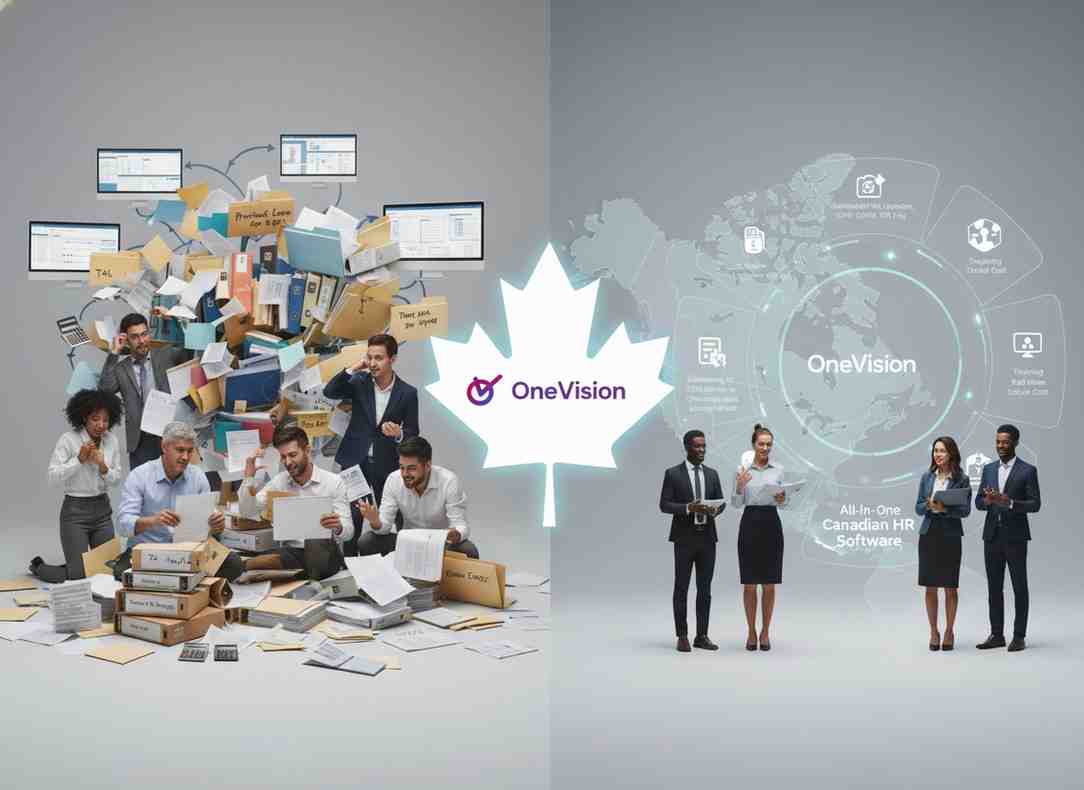
Because of this, many companies now prefer all-in-one HR software for startups and growing teams. The best HR software comparison for small business should focus on ease of use, pricing, payroll features, attendance tracking, employee communication, reporting, remote team support, and scalability.
Hence, simple and flexible software is often a better choice than complex enterprise tools. If you are currently evaluating open-source alternatives, tools like OrangeHRM's open-source edition can be a useful starting point, though most growing teams eventually need a more complete cloud-based solution.
Why Choose OneVision
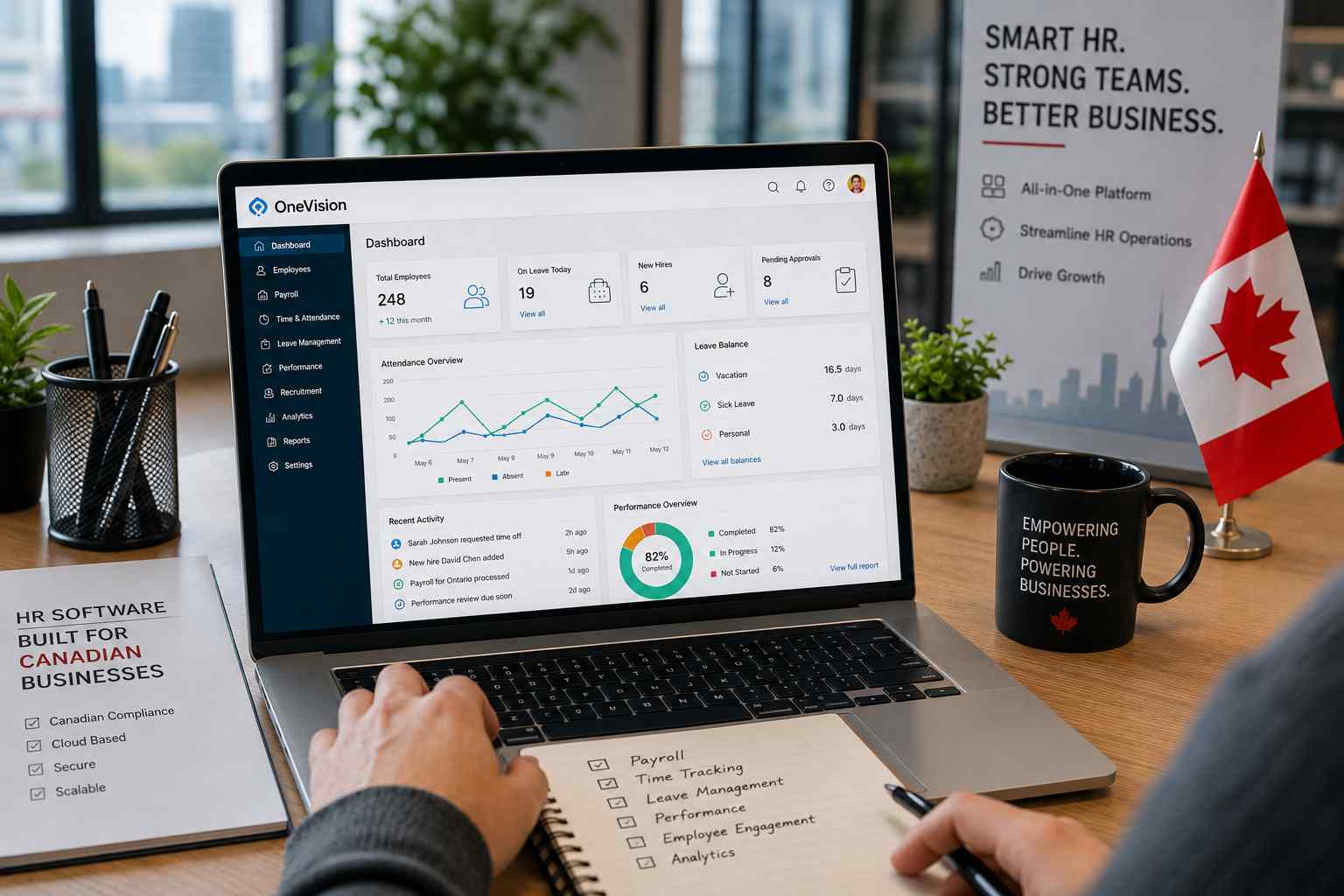
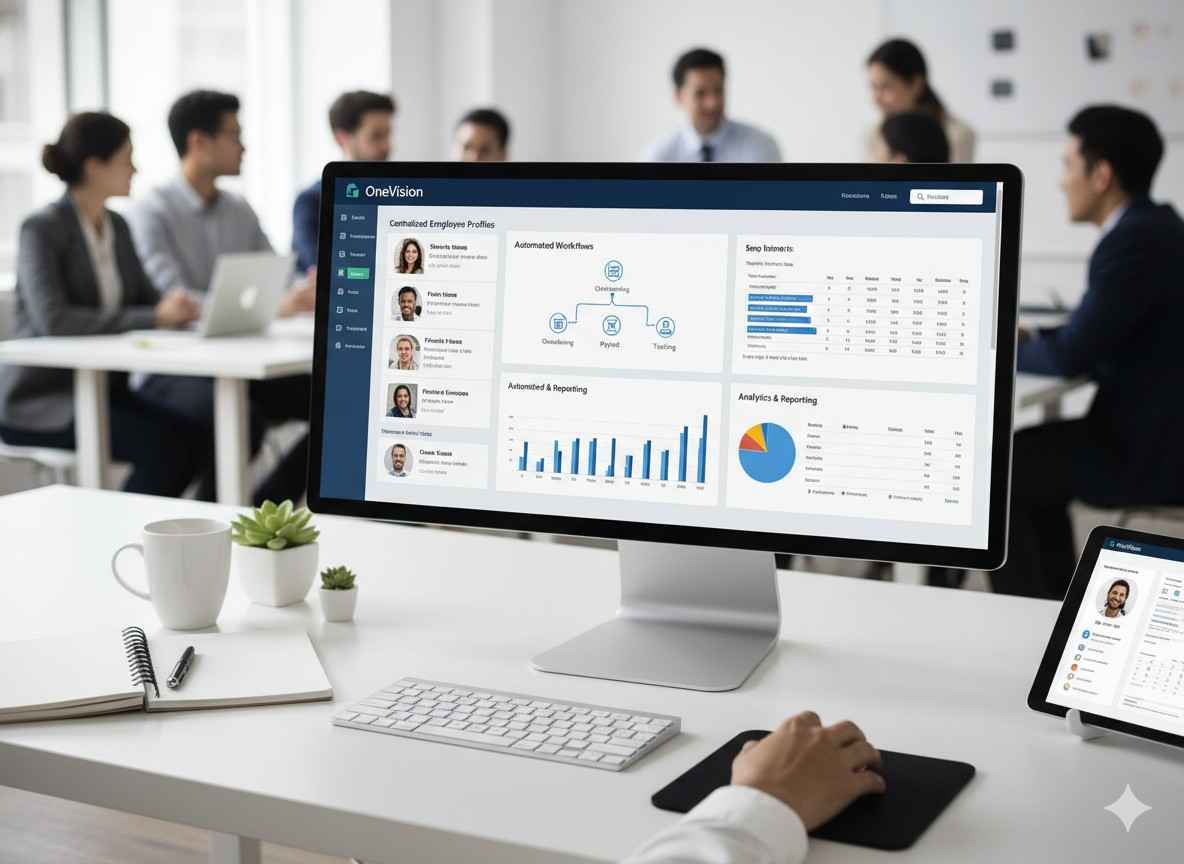
OneVision is designed for businesses that want more than basic HR software. Instead of using different tools for attendance, scheduling, payroll, employee records, training, and communication, companies can manage everything in one platform.
OneVision includes shift scheduling, attendance tracking, GPS clock in and out, payroll-ready reports, employee profiles, onboarding and offboarding, HR document management, internal announcements, employee feedback and reviews, eLearning and training modules, analytics dashboards, productivity tracking, and role-based access control.
It is especially useful for retail, healthcare, hospitality, manufacturing, education, and corporate teams. For small businesses and startups, this means fewer tools, fewer manual tasks, and better visibility across the whole workforce.
You can also explore pricing options or request a platform walkthrough to see OneVision in action.
Conclusion
The best affordable HR software for small business in 2026 should be easy to use. It should support payroll and attendance, simplify onboarding, improve communication, and help managers make better decisions.
OneVision is a great option for startups, remote teams, and growing businesses. This is because it combines HR management, scheduling, payroll-ready reporting, communication, eLearning, and analytics into one platform.
Also, businesses that want to save time, reduce manual work, and keep their teams organized can benefit from using an all-in-one system instead of juggling disconnected tools.
Frequently Asked Questions
Read Other Blogs
Explore more insights and tips on business management

How Does the Best HR Software Help Businesses Make Better Financial Decisions?
Discover how the best HR software helps businesses reduce hidden operational costs, improve workforce efficiency, and make smarter financial decisions through automation, analytics, and better workforce management.







Why Use Software That Helps in Managing a Business?
When running a company, you need software that helps in managing a business, as its tasks, teams, customers, and finances all need your attention. Discover why companies are adopting all-in-one business management systems.