
HR onboarding software gives you a platform to make sure hiring and managing employees isn't a messy procedure. With the right tools, the whole process becomes much simpler and faster. Such software doesn't just speed up hiring but also helps teams grow stronger, stay organized, and keep employees satisfied from day one.
Smart companies are using digital tools to support people, not replace them. This shift has changed how teams welcome new employees. In this article, we'll explain what onboarding software does, why your business needs it, and how to choose the right one.
What Is HR Onboarding Software and Why It Matters
Every company needs a plan for new hires. It's because good onboarding turns the first days into real growth. That's why we have HR onboarding software. Now this is a digital system that guides new employees, stores documents, tracks tasks, and improves hiring results.
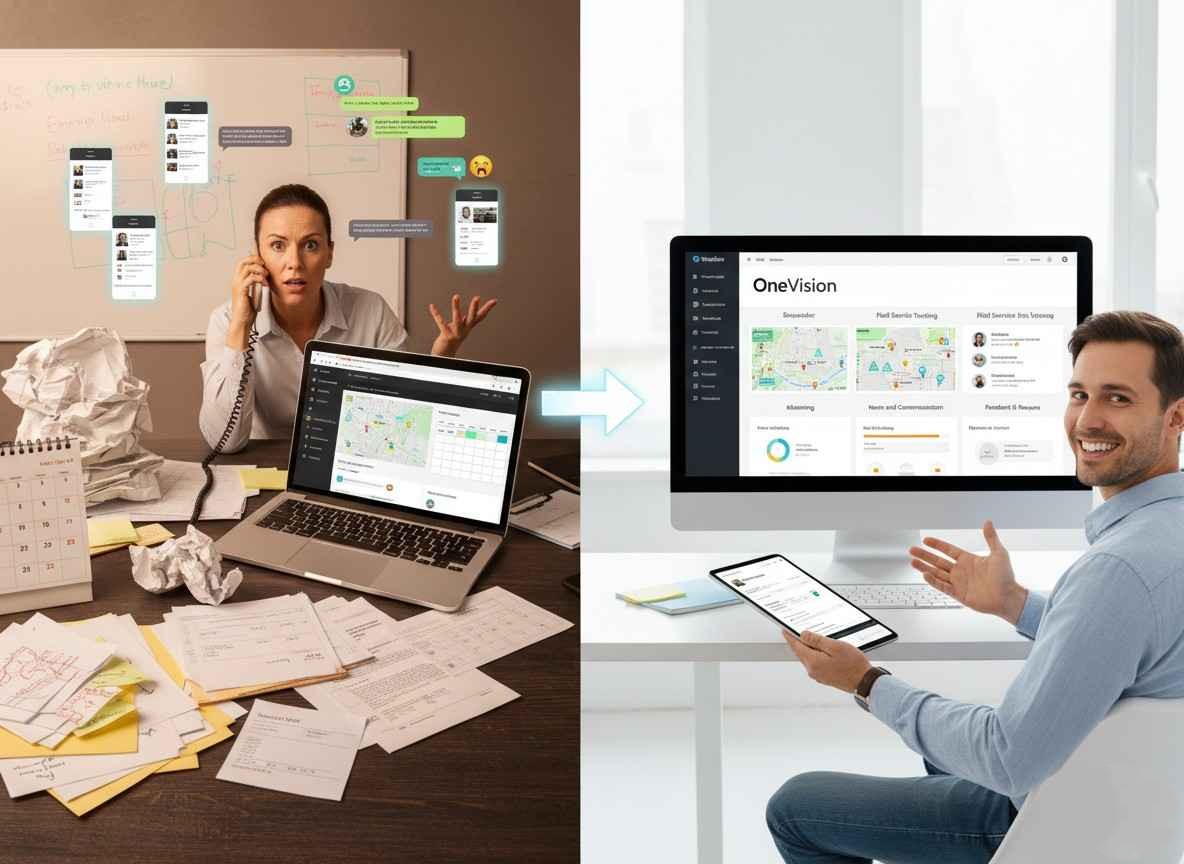
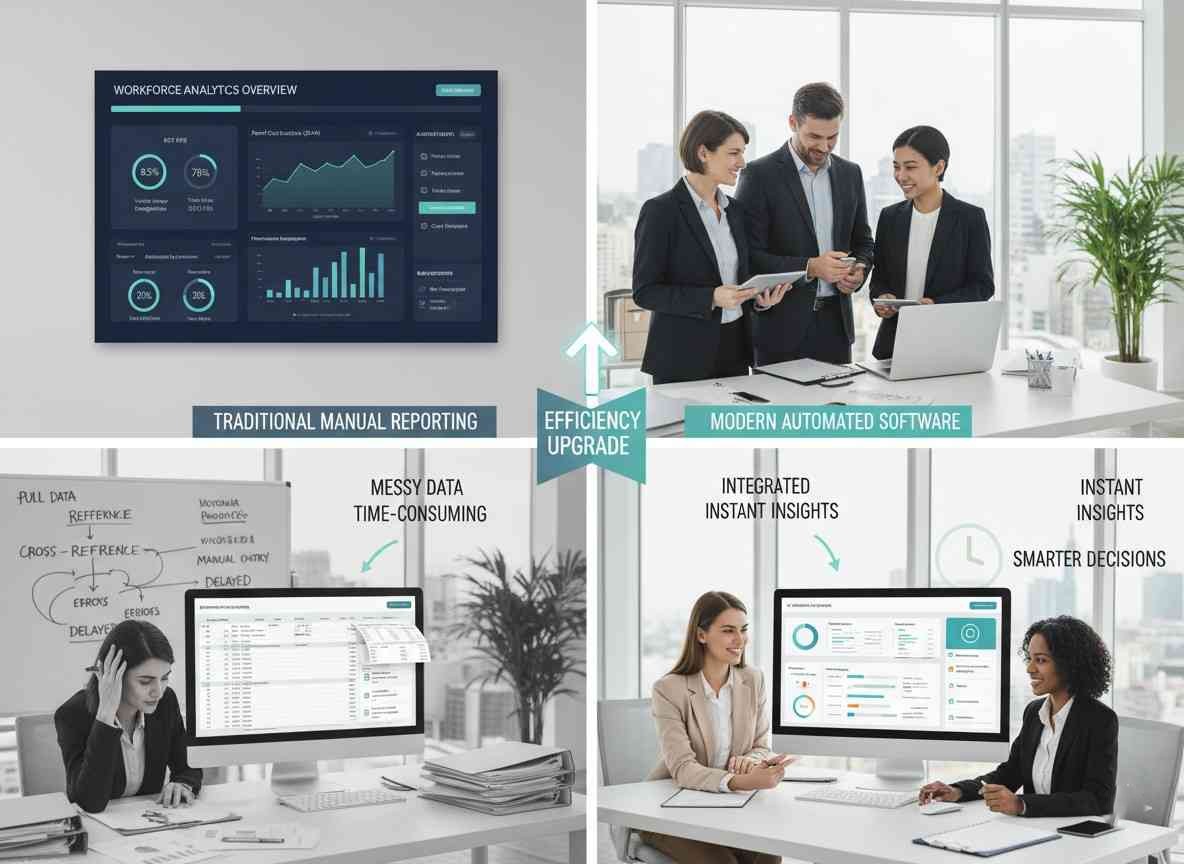
In the old days, HR teams used paper forms, shared drives, and long checklists. That meant lost files, confusion, and slow starts. Today, employee onboarding software replaces manual steps with automated ones. New hires get access, tasks are tracked, and HR has more time for people work.
With onboarding tools for HR, you reduce errors and make new hires feel welcome right away. That's why smart teams choose digital onboarding solutions for employees.
How Employee Onboarding Software Works in Real Life
Imagine this: A new team member joins on Monday. Before they arrive, they have a welcome email, all forms to sign online, a schedule of training tasks, and access to key policies and tools.
This is what onboarding software for new hires makes possible. It sets up workflows that guide new employees step by step. Instead of finding paper or waiting for HR, they log in and see everything they need.
Then, HR sees progress in one dashboard. They know right away what's done and what's pending. This saves time, cuts confusion, and makes onboarding fast and clear.
The Big Benefits of the Best HR Onboarding Software
Good onboarding makes a strong first impression. But great HR onboarding software goes beyond the first days. Here are the top benefits:
1. Faster Hiring and Training
Manual steps slow things down. But automated onboarding software helps teams communicate faster, complete steps in order, and reduce delays. This way, the new hires feel confident sooner.
2. Better Organization
We've all been there, digging through emails, sticky notes, or random folders, trying to find one document. But with an employee onboarding system, you can keep everything in place. Forms, ID verifications, and contracts are stored safely online. Training modules and checklists are also easy to access anytime. HR can prioritize tasks and quickly find what's needed.
This way, employees know exactly what to do, and HR can rest assured. It's like having a personal assistant for every new hire, but better.
3. Strong First‑Day Experience
People remember their first day. Hence, with new hire onboarding software, they get a smooth start. It lets them know what to do, where to go, and who to meet.
4. Compliance and Records
Some jobs need legal forms, tax documents, or certifications. So, onboarding software with document management keeps files safe and compliant.
5. Reduced HR Workload
HR teams often spend hours repeating the same steps for every new hire. Now this gets exhausting, and it doesn't add real value. That's why automated onboarding systems are needed, as they handle the busywork so HR can focus on people. Reminders and notifications go out automatically. Tasks are tracked and organized without constant manual follow-up. And documents are stored securely and are easy to retrieve.
Key Features to Look for in HR Onboarding Software
Not all onboarding tools are the same. Here are features that make a real difference:
Automated Workflows That Guide Each Step
A good system triggers tasks automatically. For example, once a new hire signs a form, the next step shows up without manual effort. This is core to automated onboarding software and employee onboarding workflow software.
Easy Document Upload and Storage
First of all, look for tools that let employees upload forms and proofs easily. Quick scanning, clear organization, and searchable files make life simpler.
Integration With Other HR Tools
Some systems connect with payroll, time tracking, or benefits software. That's why many teams want HR onboarding software with payroll integration, it avoids double entry and syncing issues.
Friendly Experience for New Hires
If a new employee struggles to use the tool, you lose the benefit. Hence, choose digital employee onboarding software that feels intuitive and easy to use.
Task Tracking and Status Updates
Teams need visibility. Thus, the best onboarding management software shows who has completed steps, what's left, and where blockers may exist.
Comparing Traditional vs. Cloud‑Based Onboarding Approaches
Older onboarding was manual. Newer approaches are digital.
Manual or paper-based onboarding involves forms printed and signed by hand, HR emailing spreadsheets to track progress, and files stored in shared folders. This approach is slow. Also, it's hard to know what's done or missing. This might make new hires feel disoriented.
Most teams now choose cloud-based onboarding software. This means all information is online, HR can manage everything from one system, and new hires can complete tasks from anywhere. Cloud tools make it faster to update steps and see progress in real time. They also help teams scale hiring without headaches.
Choosing the Best HR Onboarding Software for Your Business
Every company is different. What works for a startup may not work for a big company. Here's how to choose the right system:
1. List Your Needs First
Before choosing any tool, take a moment to think about what your team really needs. Like, do you just want simple task tracking, or do you need deeper integration with your HR systems? Write down all the important features you need and any problems you currently face. Doing this first helps you avoid buying something that sounds fancy but doesn't actually solve your problems.
2. Consider Company Size
HR onboarding software should be according to the team's size. Small teams might benefit from lightweight tools, or even free employee onboarding software, to get started without extra costs. On the other hand, larger teams often need advanced features, like automation, analytics, and reporting dashboards to fit their needs.
3. Look at HR Automation Capabilities
This software can save a lot of HR time. First, make sure the system covers all the key steps in your hiring and onboarding process. When automation runs smoothly, HR can focus more on people, culture, and training instead of spending time chasing forms.
4. Check Integration Options
If your HR team already uses other systems, choose one that integrates smoothly. Integration matters for payroll, benefits, and employee data.
5. Request a Demo
Always test real usage. An HR onboarding software demo helps you feel the user experience and test workflows before buying.
Why Startups and Small Businesses Need Onboarding Software Too
Some small teams resist new systems at first because they think they don't need software yet. However, even simple tools can make growth much easier.
As startups scale quickly, hiring chaos can start early without an employee onboarding system. That's why many choose the best HR onboarding software that works for both small and growing teams.
Even from the beginning, automation saves time. By creating consistent processes, the team can focus on actual work instead of paperwork.
Pricing and What It Really Means
Pricing matters. But the cheapest isn't always the best.
Some tools are free at basic levels, often labeled as free employee onboarding software. These are good for small teams or testing. As needs grow, paid plans unlock more automation and integrations.
When reviewing pricing, ask: Does it include document storage? Are workflows customizable? How many users are included? What support options are available?
Think of pricing as an investment in time and quality.
Conclusion
Today's workforce expects a smooth start. HR onboarding software gives teams the tools to deliver that, and more. It makes hiring faster, cuts manual work, and builds consistency across departments.
Whether you are a startup, small business, or growing organization, the right onboarding system brings clarity and confidence. Think of it as an investment in speed, accuracy, and employee experience.
Don't let paperwork slow your growth. Request an HR onboarding software demo today, see how automated onboarding software works, and watch your hiring process improve.
Frequently Asked Questions
Read Other Blogs
Explore more insights and tips on business management
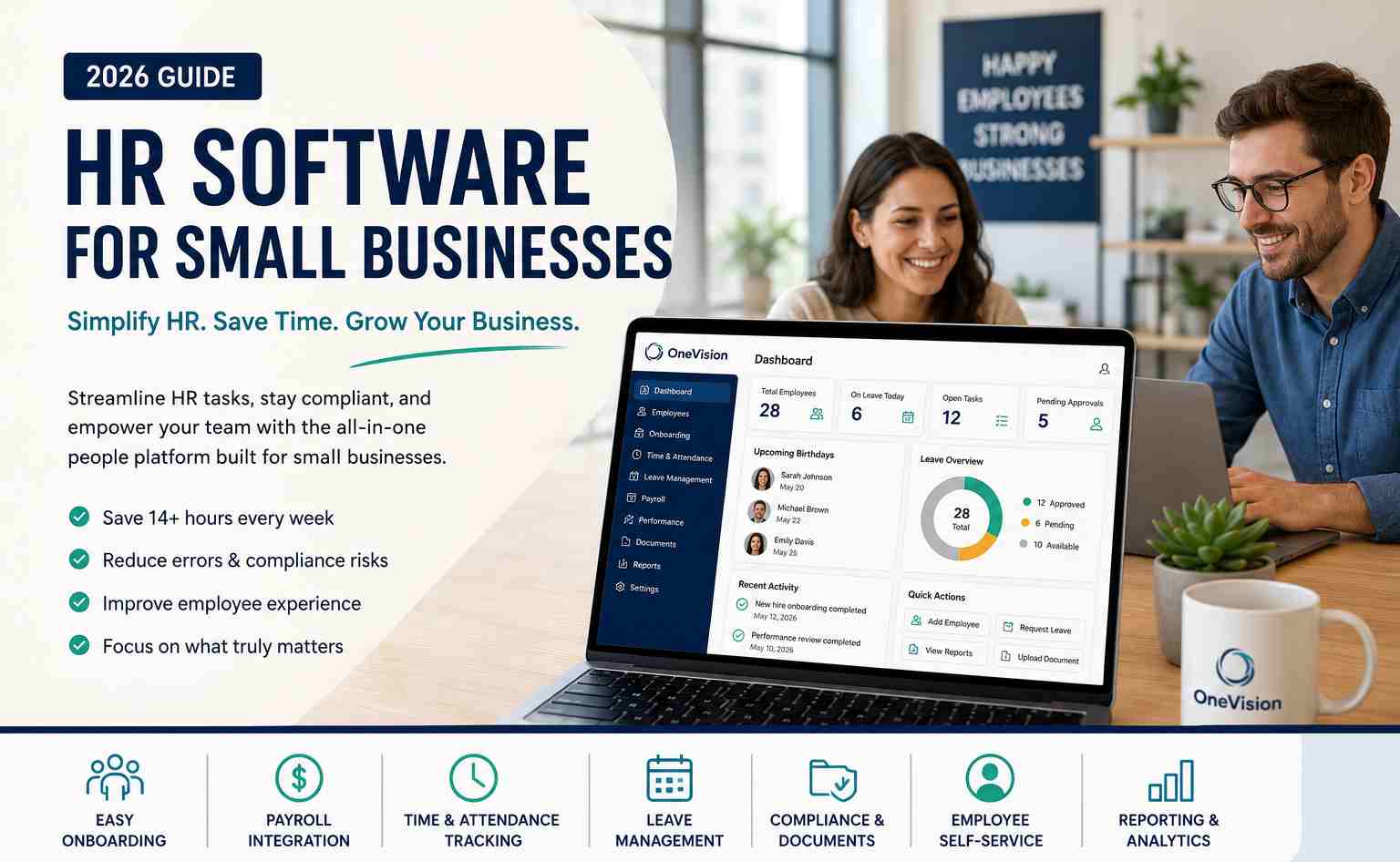


How Does the Best HR Software Help Businesses Make Better Financial Decisions?
Discover how the best HR software helps businesses reduce hidden operational costs, improve workforce efficiency, and make smarter financial decisions through automation, analytics, and better workforce management.






Why Use Software That Helps in Managing a Business?
When running a company, you need software that helps in managing a business, as its tasks, teams, customers, and finances all need your attention. Discover why companies are adopting all-in-one business management systems.