HR performance management software has become essential because you can't manage employees without one. Every business wants employees to perform at their best. But if you're doing everything like setting goals and tracking performance manually, it's really overwhelming. These softwares are there for you to keep track of how employees are doing. You can also track performance easily using these and make sure everyone's working toward the same goals.
This article will look into the working of this software and why it matters. Also, how it benefits small and large businesses alike. We'll also cover tools, best practices, and real-life examples to have a clear picture.
Why Businesses Need HR Performance Management Software
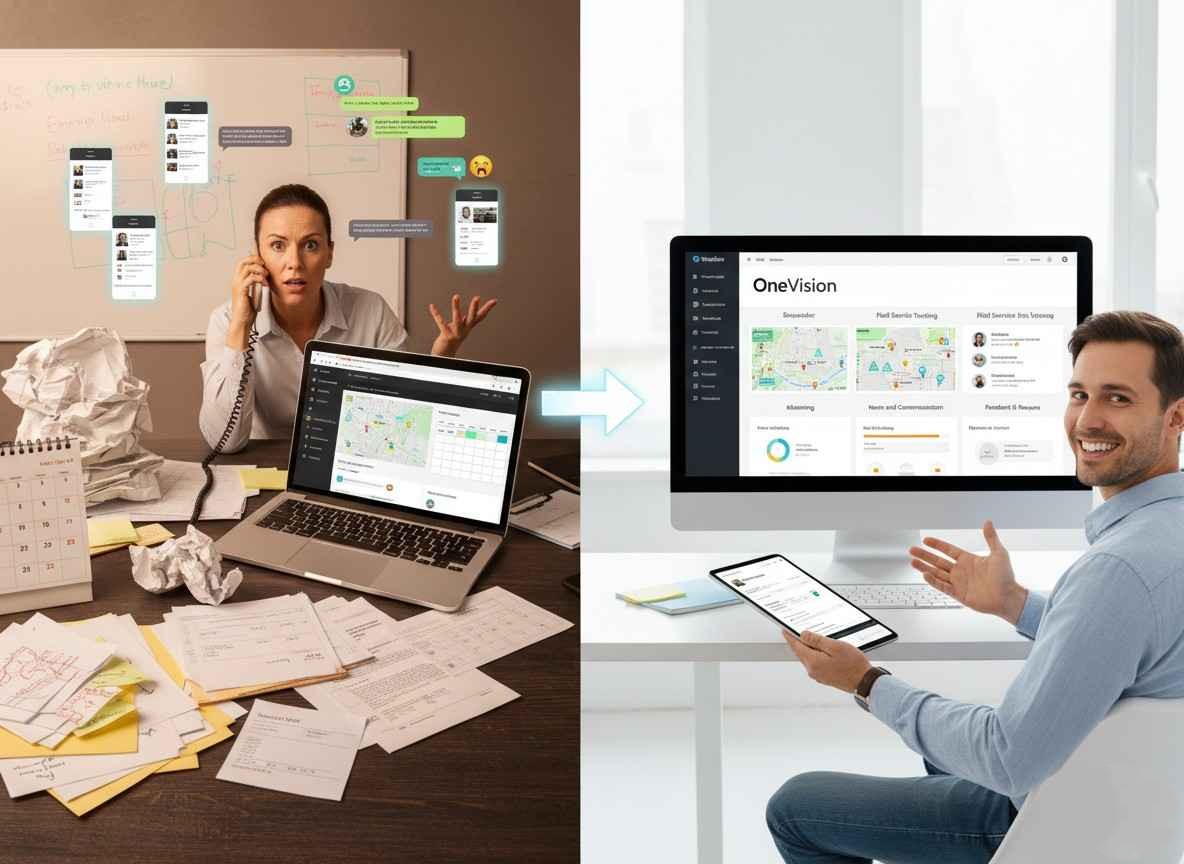
You can't always keep tracking your employees manually. Managers find it hard to balance workload, schedules along with planning. But performance management tools solve these issues for businesses and simplify these tasks.
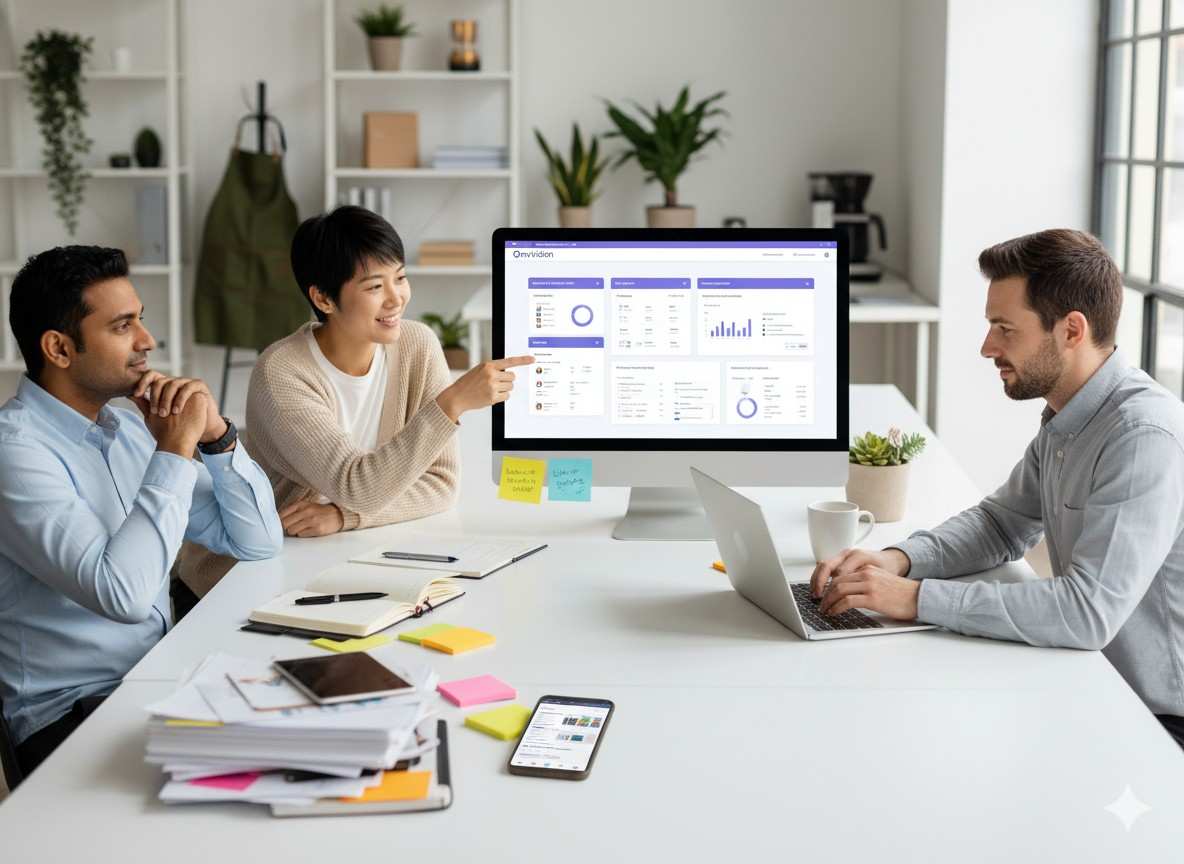
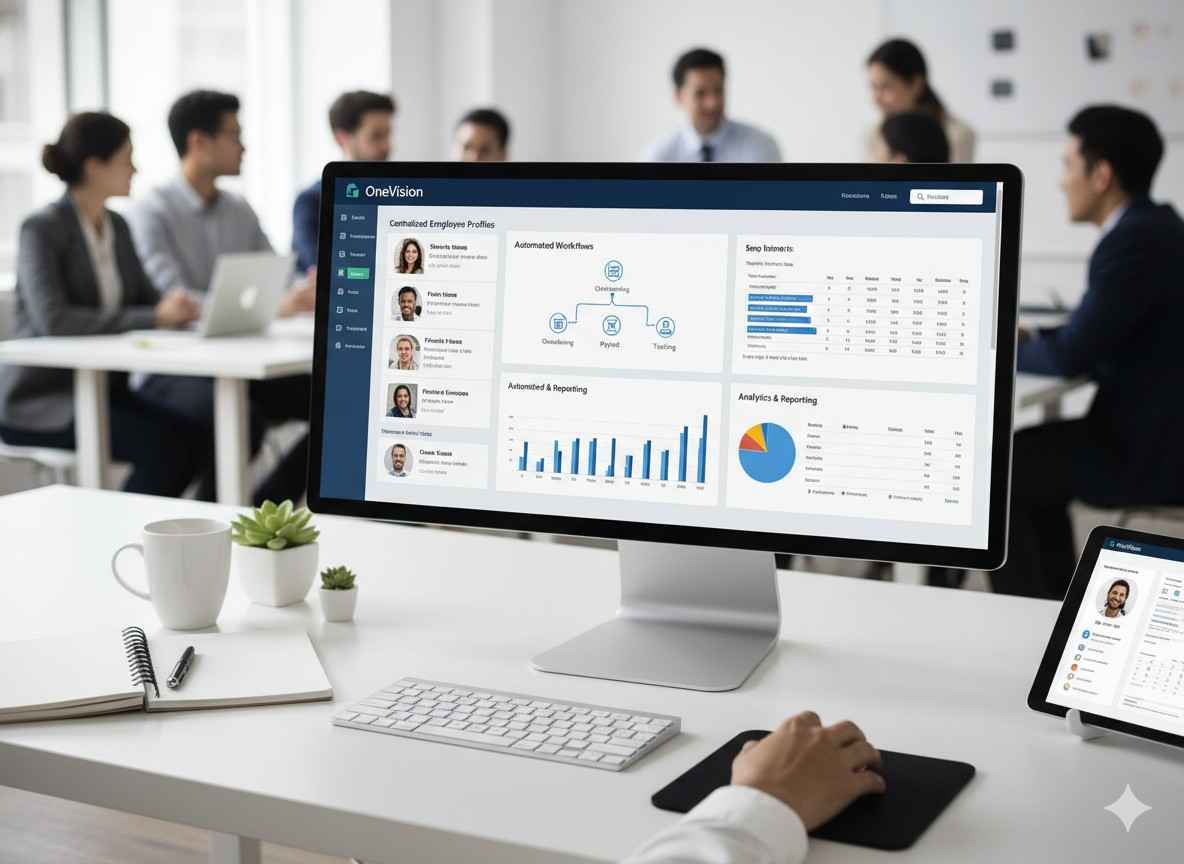
For example, software can automatically remind you of yearly performance reviews. It lets managers see how their teams are doing and gives helpful insights after seeing real data. At the same time, employees can easily check their goals, track their progress, and view feedback, all in one place.
Moreover, hr performance management software reduces room for human mistakes. It keeps records consistent and helps managers focus on growth, not paperwork. This way, the purpose of performance is clear to everyone.
Core Features of the Best Performance Management Software
When choosing the best performance management software, businesses look for features that improve both efficiency and employee satisfaction.
1. Performance Reviews Made Simple
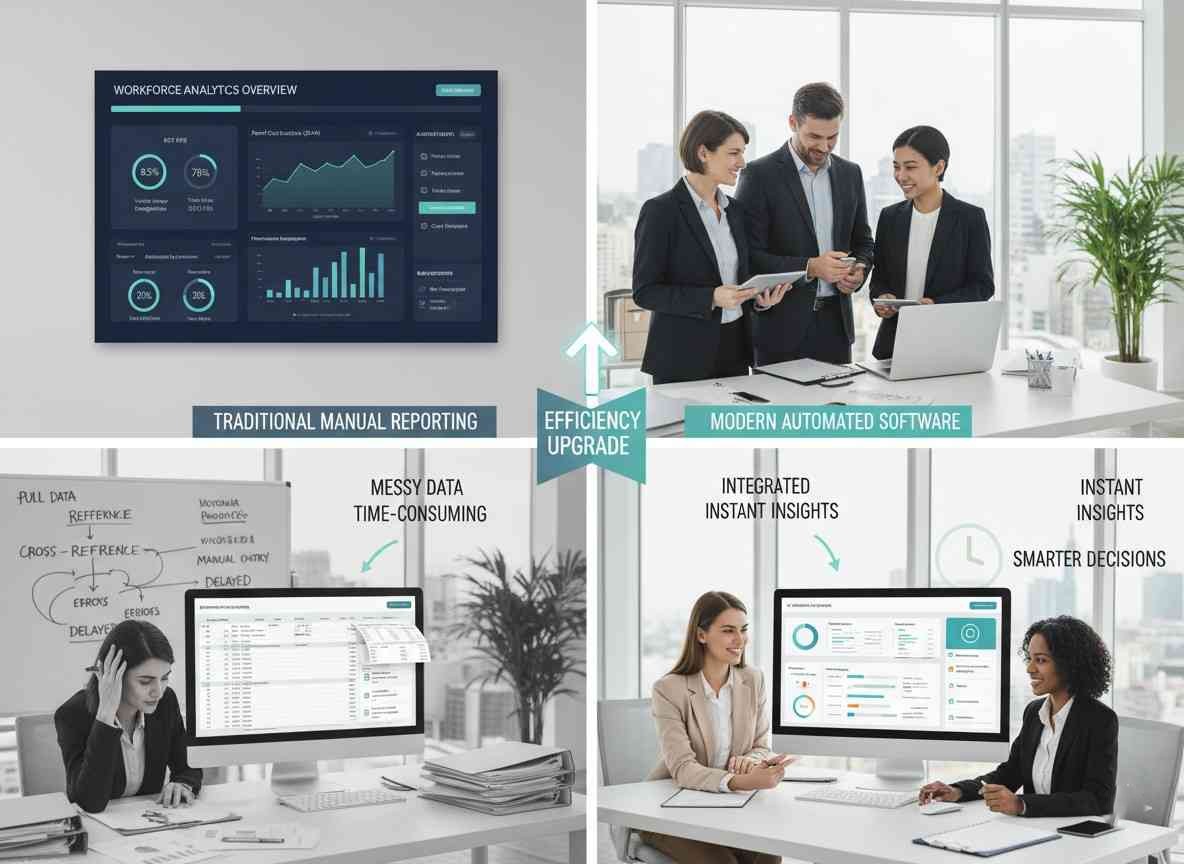
Most performance management software lets managers run reviews online. Employees can fill out self-evaluations, share feedback, and track their own progress. This means less paperwork and the processes stay consistent. Plus, managers can clearly see the team's performance without having to use endless spreadsheets.
2. Goal Setting and Tracking
With these tools, companies can set clear SMART goals for employees. Goals aren't just set and forgotten. But they can be monitored over time. This way, employees stay motivated and accountable. At the same time, managers can quickly see who's excelling and where support is needed. This all helps align individual goals with overall company objectives.
3. Analytics and Insights
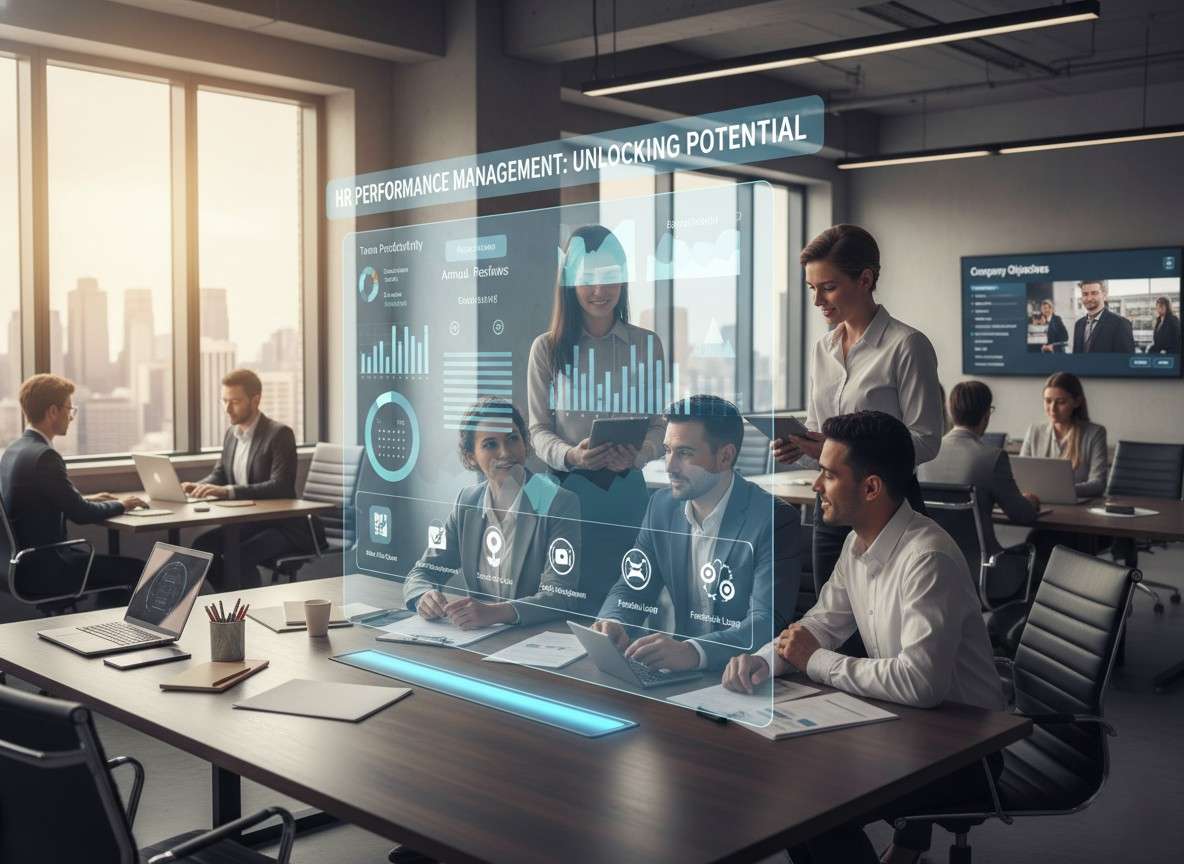
Modern performance management tools provide dashboards and analytics. They track yearly performance review data, identify trends, and highlight areas for improvement. Managers can make informed decisions quickly.
4. Integration of Payroll with HR Performance Management Software
Many HR software for small companies connect directly with payroll, HR services, and workforce management systems. This way, performance data ties smoothly into promotions, bonuses, and company policies. It keeps everything consistent and saves managers from juggling multiple spreadsheets.
5. Remote and Small Business Support
Even small teams can benefit. HR management software for small business or human resource management software for small business makes it easy to monitor performance without hiring extra HR staff. Cloud-based solutions allow employees to access dashboards from anywhere.
How HRMS for Small Business Helps Optimize Performance
HRMS for small businesses is designed to make performance management simple. Here's how:
Mainly, it gives automated reminders for employee reviews and manager check-ins.
Then it tracks training and development progress.
Also helps managers assign tasks according to employees' skills.
Also, it helps plan for future work and prepare the next leaders.
Hence, by using hrms for small businesses, managers can focus on coaching, not paperwork. This makes employees feel supported and informed.
Explaining Performance Management in Simple Terms
Performance management doesn't mean just giving reviews. Actually, it's about supporting employees to do their best every single day.
First, the system helps set clear expectations and keeps track of results. At the same time, it gives timely feedback so employees know where they stand. The main idea is simple: align everyone's work with the company's goals. This way, employees understand what matters most, and managers can balance workloads while offering chances to grow. Using software makes all of this smoother and fair for the whole team.
Workforce Management and HR Performance Software
Many businesses use workforce management software along with performance management systems. By doing this:
First of all, they can track attendance and work hours.
Secondly, they can connect your performance with how productive you are.
At the same time, they monitor project deadlines and which employees are available.
And lastly, they link employee goals to these workforce tools helps plan resources more efficiently.
So, these workforce management tools enable companies to have a complete view of performance and operations. As a result, decisions are easier to make, and employees get rewarded according to their efforts and performance.
Choosing the Right HR Software for Small Businesses
Not all software fits every company. When selecting hr management software for a small business, consider:
If they are easy to use for employees, as they should quickly learn the platform.
Next, check for helpful tools like analytics, goal tracking, and performance reviews so managing staff doesn't get complicated.
Also, it should integrate smoothly with payroll, HR services, and workforce payroll programs so everything is synced.
Finally, reliable customer service is key for small teams to solve issues quickly.
Some solutions even include hcm software or cloud-based human capital management, which combines payroll, workforce, and performance tools into one convenient platform.
Benefits of HR and Payroll Software Integration
Linking hr and payroll software with performance management tools has several advantages:
Ensures what you're getting actually matches your work and performance.
Makes sure there are fewer errors in payroll.
Streamlines HR workflows.
Additionally, it makes everything clear and transparent.
Moreover, Workforce payroll systems connected with performance software make rewards and promotions fairer and more transparent.
HCM Systems and Human Capital Management Solutions
Larger companies often use HCM systems or human capital management solutions. For example, these platforms give:
Clear reports to see how the company is doing.
Insights on managers to track team performance.
Tools for growth that help employees learn and stay motivated.
Plus, cloud-based human capital management means employees and managers can check and update performance anytime, keeping everything current and easy to follow.
Real-World Examples of Performance Management Software
Let's look at a few use cases:
For example, in retail, stores track staff performance. And also schedule yearly reviews, to make sure teams are productive.
Similarly, healthcare facilities check how well nurses and staff are doing while following rules.
In hospitality, hotels and restaurants make sure shifts are planned well so the service they provide is smooth.
Even in manufacturing, Factories watch performance and output to stay on track.
Furthermore, small businesses also benefit. A startup can monitor employee productivity, assign tasks effectively, and use insights for workforce planning.
Best Practices for Managing Performance
Using performance management software effectively requires a strategy:
The first step is to set clear, measurable goals.
Secondly, give ongoing feedback, along with yearly reviews.
Then, performance to training and career development.
Encourage self-evaluation to boost engagement.
Use analytics to spot patterns and improve processes.
Following these practices ensures that managing for performance is not just a task but a continuous improvement cycle.
Conclusion
HR performance management software is something that should be used by companies. Especially if they want their employees to be more responsible and do their tasks efficiently. From workforce management programs to human capital management solutions, integrating software improves accuracy, reduces errors, and supports growth.
If you want your team to do their best, first thing you need to do is invest in the right software. And for that, start with a demo and see whatever features are there and how it will help you transform your workflow.
Frequently Asked Questions
Read Other Blogs
Explore more insights and tips on business management

How Does the Best HR Software Help Businesses Make Better Financial Decisions?
Discover how the best HR software helps businesses reduce hidden operational costs, improve workforce efficiency, and make smarter financial decisions through automation, analytics, and better workforce management.




Why Use Software That Helps in Managing a Business?
When running a company, you need software that helps in managing a business, as its tasks, teams, customers, and finances all need your attention. Discover why companies are adopting all-in-one business management systems.