
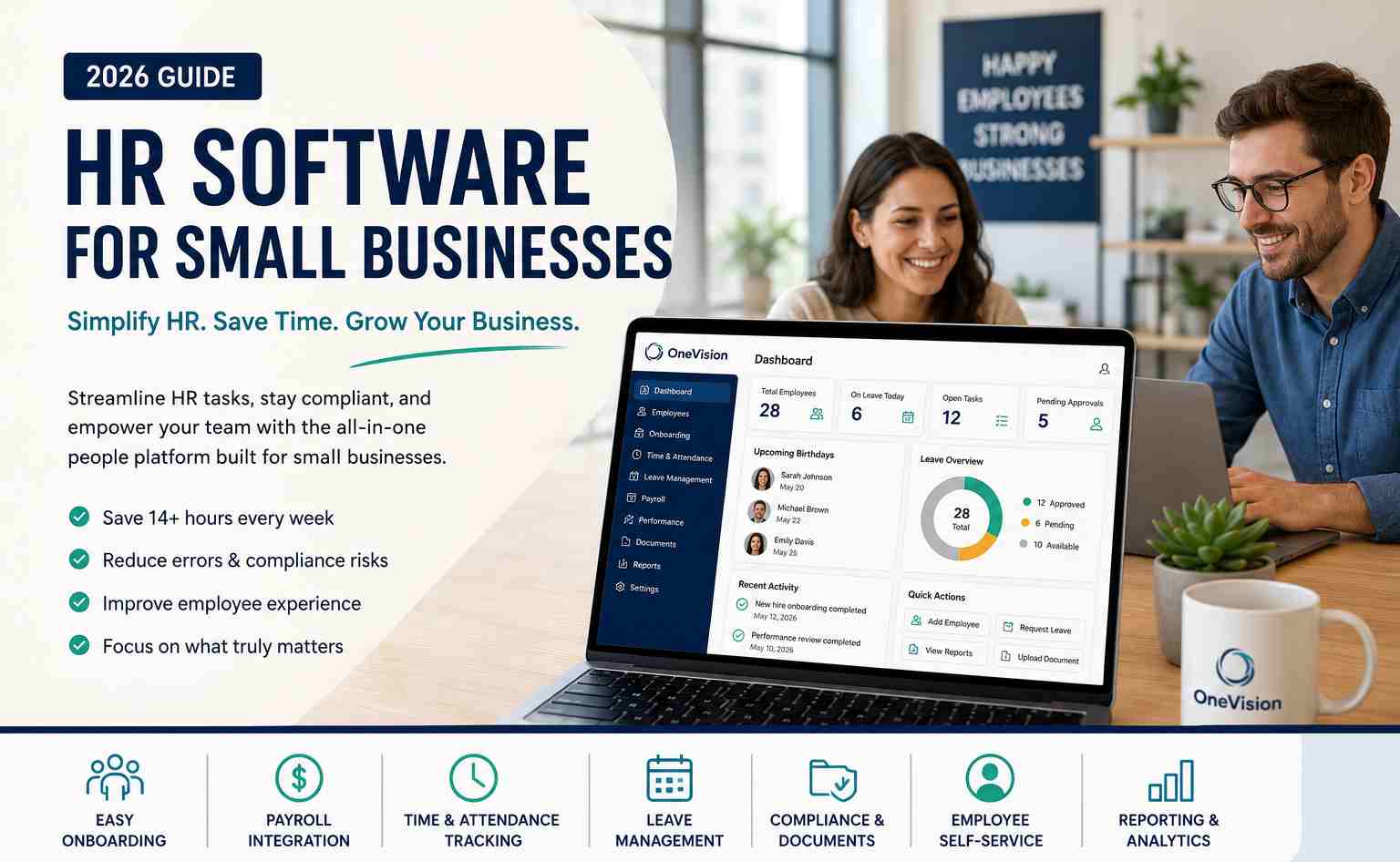
Running a small business is hard. One day, you are hiring, the next day, you are handling payroll. Then you are tracking attendance. All this work can slow you down. That is why many companies now use HR software to work smarter. This article makes it all simple by explaining what HR software is, why it matters, and how it helps small businesses grow.
What Is HR Software?
HR software is really just a tool to make everyday HR work easier. For example, it helps you handle hiring, payroll, attendance, benefits, and a lot more. And the best part? A good human resource management system keeps things running smoothly and cuts down on mistakes.
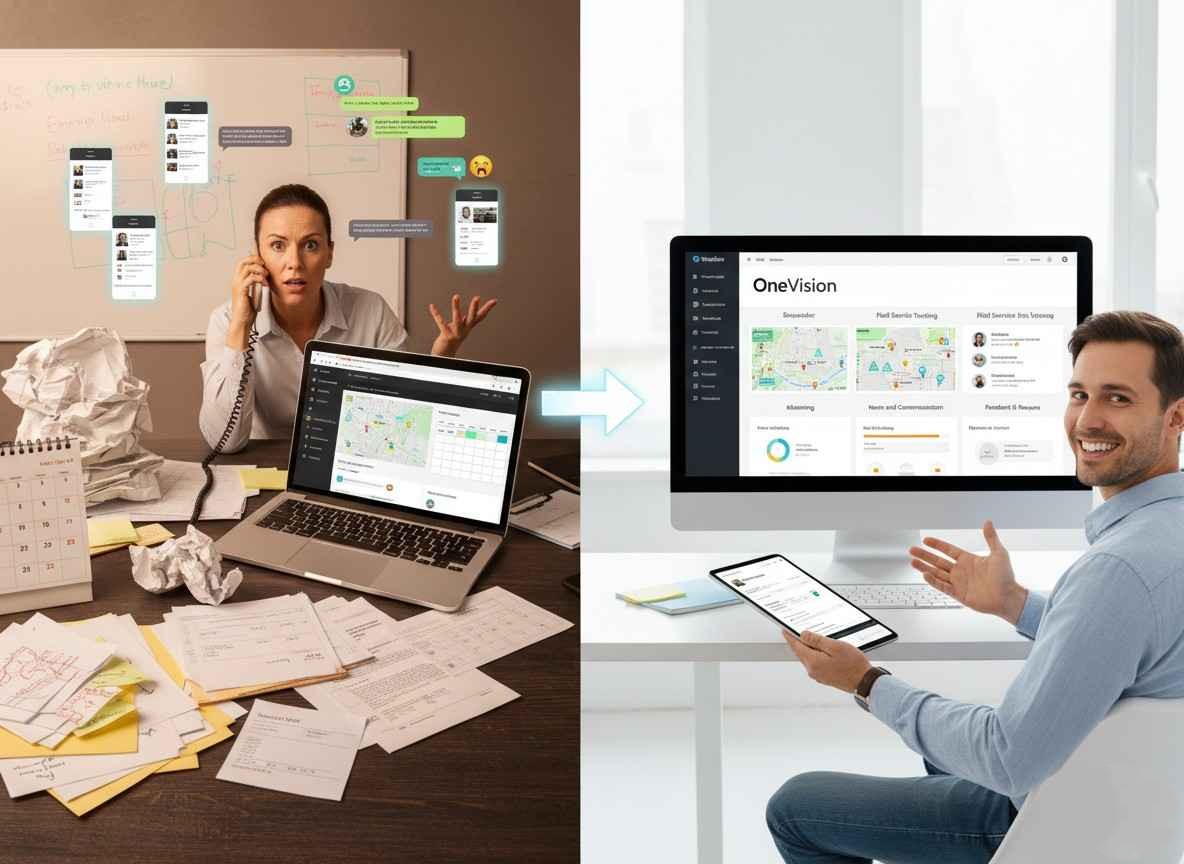
Instead of dealing with messy spreadsheets or stacks of paper, everything is in one digital HR system. This means you don't waste time on small, repetitive tasks. Instead, you can focus on decisions that actually help your business grow.
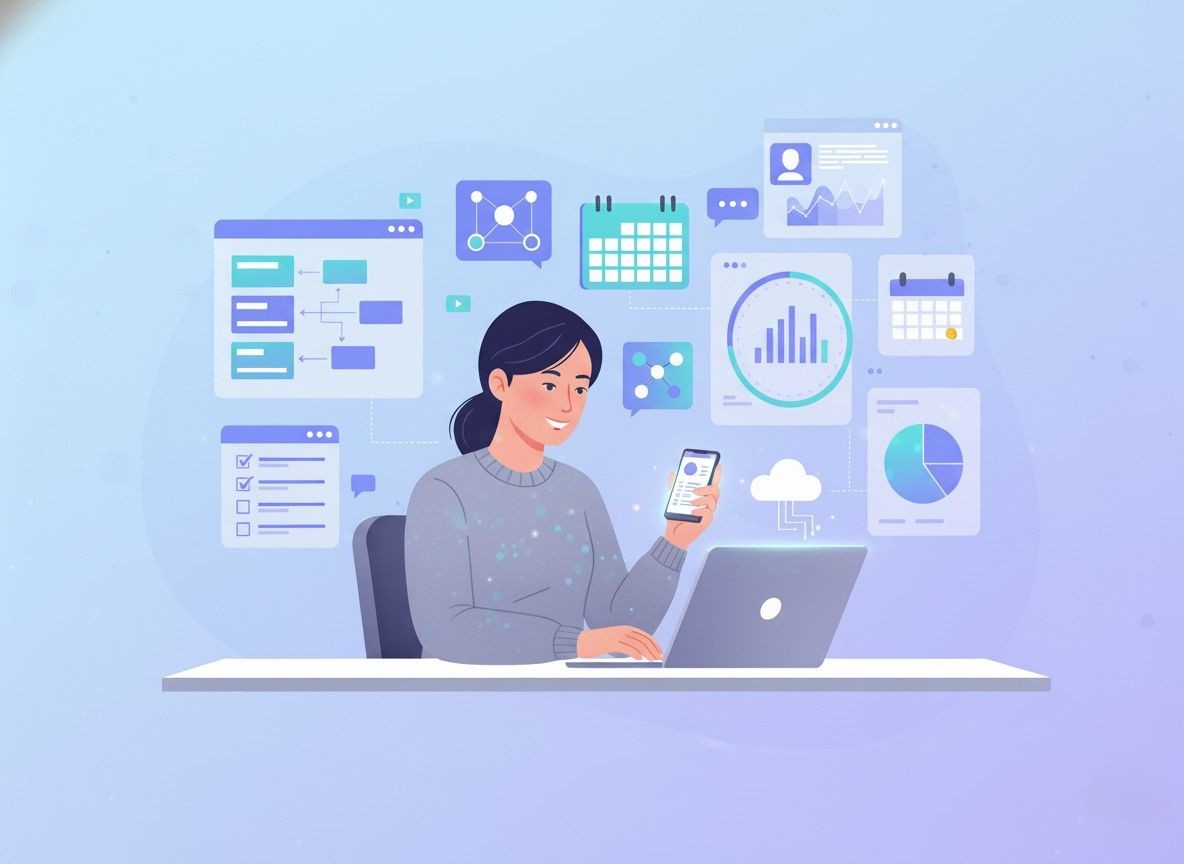
On top of that, most modern human resources management software is cloud-based. So, it doesn't matter if you're at home, at your office, or traveling. Since it's cloud-based, you can access it on your laptop or a human resources app on your phone. For busy small business owners, that kind of flexibility really makes life easier.
Why Small Businesses Need HR Software
Small companies often start off with manually doing their tasks. For example, people track hours on paper. Similarly, payroll is calculated in spreadsheets, and they store employee records in filing cabinets. But this works only for a short time.
Fewer mistakes
Manual data entry leads to errors. Hence, HR software systems automate calculations like pay and taxes.
Saves time
Tasks like leave approvals or timesheet tracking happen in seconds.
Better data
All employee information is in one place using HR database software.
Compliance help
For businesses in places like Canada, human resources software Canada can help you meet local labor rules.
For example, instead of spending hours finding a single employee's attendance record, you can search in a few clicks with your HR database systems.
What HR Software Does: The Main Features
Good HR management systems come with many useful tools. Not all systems have the same features, but here are the most common ones that small businesses need:
Payroll and Time Tracking
Payroll can be one of the trickiest parts of HR. But with human resource management software for small businesses, it doesn't have to be a headache. The system automatically pulls hours worked, calculates pay, and even handles taxes, so you don't have to worry about mistakes.
On top of that, the time tracking tools show exactly who's working, when, and for how long. No more guessing or chasing down timesheets. It's all right there, simple and organized.
Attendance and Leave Management
Employees can submit leave requests online. This way, managers also approve them in one click. All this is a big time saver compared to email or paper forms.
Plus, your HR software for small companies keeps all attendance and leave records up to date without confusion.
Recruitment and Hiring Tools
Managing candidates can feel overwhelming. But human resources tools, like applicant tracking, make it much easier. For example, you can post job openings, track applications, and communicate with candidates, all from one place. This keeps everything organized and saves you a lot of time.
Onboarding and Training
Bringing a new hire on board involves a lot of steps. First, they need to fill out forms, then complete training, and also learn company policies. But by using HR software, this process becomes simple and clear. It's because these new employees get guided instructions, so they can start their work quickly and confidently.
Reporting and Analytics
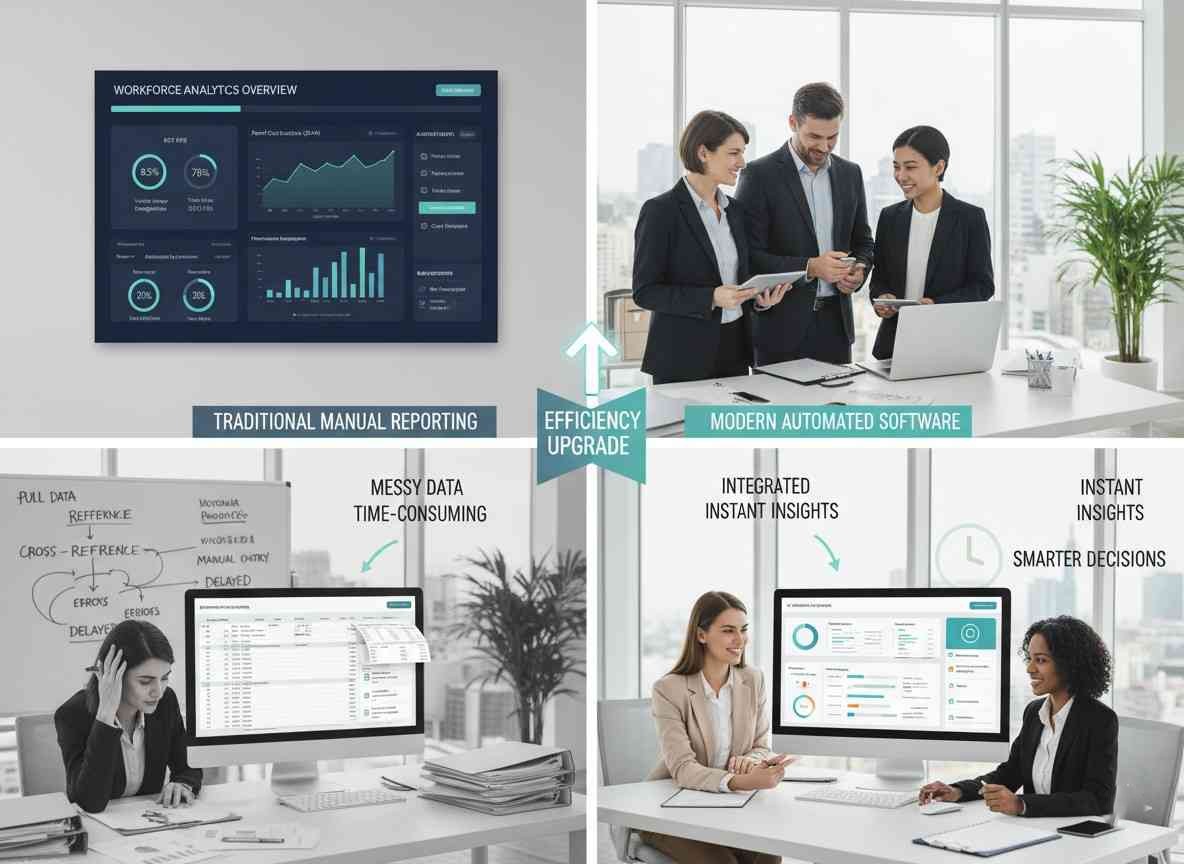
HR systems also give you insights. Like with HR information systems software, you can see reports on turnover, attendance patterns, and staffing costs. This helps you make better decisions.
How HR Software Improves Employee Management
Employees are the backbone of every business. Hence, keeping them happy and productive should be a priority. For doing that, HR software systems help in many ways:
Self-Service for Employees
Employees don't have to call HR for everything. To make them feel more in control and reduce HR workload, they can use a human resources app to view pay slips, request time off, and update personal info.
Mobile Access
Many HR systems have mobile access, so your team can check schedules or send requests while on the move. This comes in handy for remote workers, keeping them in the loop wherever they are.
Feedback and Performance Tracking
HR tools make it easy to keep track of performance and give feedback. For example, managers can set goals, see how things are going, and share feedback all in one place. Hence, this kind of clarity really helps morale and keeps everyone performing their best.
How HR Software Saves Time and Cuts Errors
Manual HR work is slow and full of mistakes. But automation takes care of all the calculations, so you don't have to worry about mistakes. Plus, digital records are easy to find whenever you need them. This means your team doesn't have to repeat the same tasks over and over. In the end, it can save you hours every week and let you focus on more important work. Some problems that exist are: spreadsheet errors, lost paperwork, and missed leave requests.
But with human resource software systems, these problems drop significantly.
How HR Software Improves Employee Experience
Employees like tools that make life easier. When they have access to their own info, they feel more confident and satisfied.
Using HR software for a small business, your team can access pay stubs instantly, apply for leave quickly, and see training materials online.
All of this improves employee experience and helps you keep good workers longer.
How HR Software Helps With Compliance and Security
HR handles all sensitive data like personal information and payroll numbers. However, HR software protects this data with encryption and secure storage. This means fewer risks of data leaks or unauthorized access.
If you run a business in Canada or other locations with strict rules, human resources software Canada options include compliance features. These help you stay within labor laws without stress.
Plus, when audits come, you can easily pull reports. No more scrambling for files.
How to Choose the Right HR Software for Your Business
Not every HR tool will fit your needs. Here are four key questions to ask before deciding:
1. What HR Tasks Do You Struggle With the Most?
First, start by listing the HR tasks that take the most time. For example, is payroll a headache? Or do you spend too much time tracking attendance? Maybe hiring and onboarding are your biggest challenges. Once you know your main pain points, you can look for software that solves them first. This ensures you tackle the most urgent problems immediately.
2. Is the Software Easy to Use?
Next, consider how easy they are to use. If we talk about small businesses, they need tools that are easy to learn and navigate. Otherwise, you and your team could waste hours trying to figure it out. Also, software that is intuitive reduces errors and keeps everyone productive. So, test out demos or free trials before deciding. This way, you know your team can adapt quickly.
3. Does It Fit Your Budget?
Budget is another important factor. Like many HR systems, it offers flexible monthly plans, which can be ideal for small businesses. However, don't focus only on the price. Consider what features you're getting for the cost. Also, think ahead, like will upgrading later be expensive? Choosing software that balances cost and functionality ensures you get value without overspending.
4. Can It Grow With Your Business?
Finally, think about growth potential. Your business won't stay the same size forever. So, you need software that can scale as your team expands. Look for features like advanced reporting, more users, or additional modules that you can add later. This prevents the need to switch systems in the future, saving time and stress.
What are the Long-Term Benefits of HR Software?
Using the right HR system for a small company is not just a short-term fix. It can also all lead to better productivity and lower costs over time by giving these lasting benefits:
Less administrative work
Automation handles routine tasks so your team can focus on what matters most.
More accurate data
Digital records reduce human error and keep information consistent across the business.
Increased employee satisfaction
Self-service tools and clear communication help employees feel valued and informed.
Stronger compliance and security
Built-in safeguards protect sensitive data and keep you aligned with labor laws.
Faster hiring and onboarding
Streamlined processes mean new hires get up to speed quickly without delays.
How HR Software Can Be Used in Small Businesses
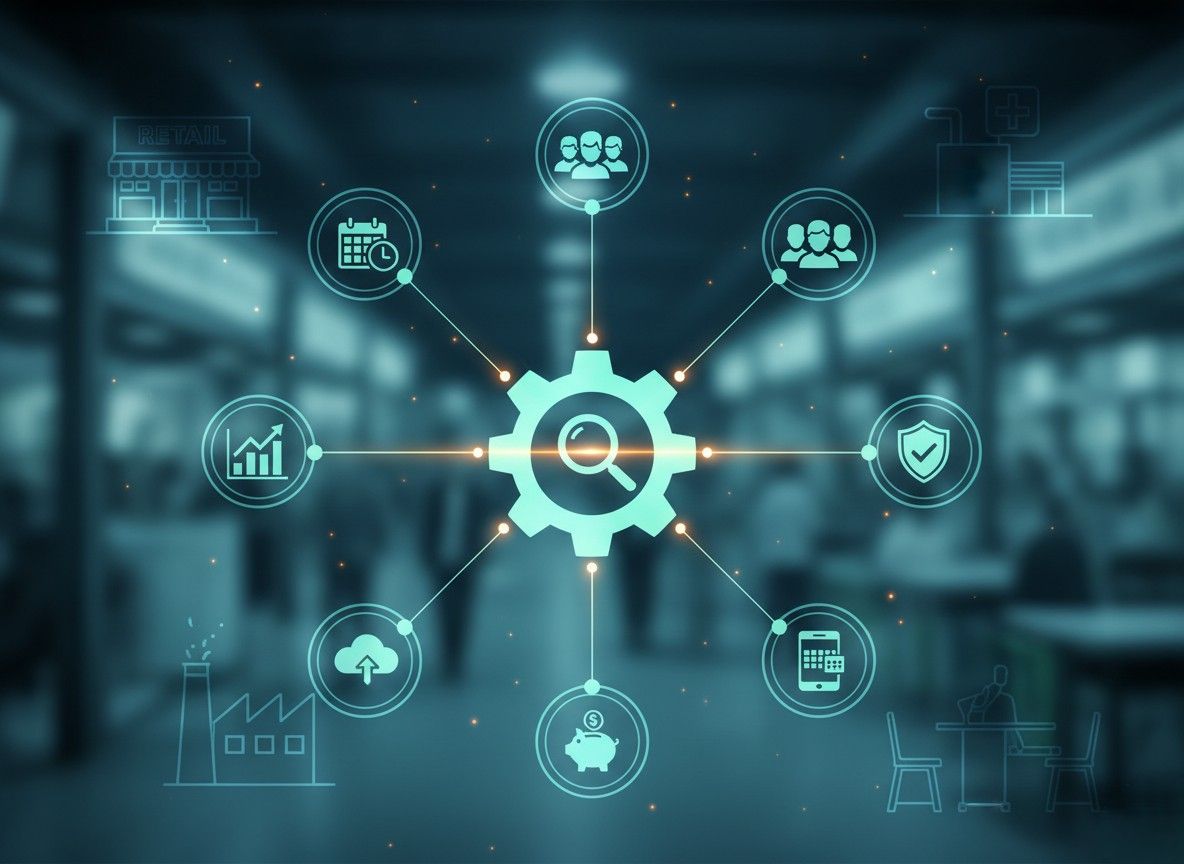
Let's look at what different kinds of small businesses are, and a few real ways small companies benefit from using HR software.
Retail Shop
A retail shop uses HR software to track attendance across shifts. Payroll is automated, saving hours each payday.
Small Tech Firm
A tech firm uses recruitment tools to attract talent. For example, they manage applications online and onboard new workers smoothly.
Local Cafe
A cafe uses the HR app for staff to request time off. This then reduces conflicts and makes scheduling easier.
Conclusion
So, what is HR software? It is a powerful tool that helps small businesses manage HR tasks easily. From payroll to performance tracking, it brings everything together in one place.
If you want to save time, reduce errors, and boost employee satisfaction, investing in the best HR software for your business is smart. Start by thinking about your biggest HR challenges. Then find a system that meets your needs without overwhelming your budget.
Take action today: Evaluate your HR tasks, and consider trying an HR system that saves time and helps your business thrive.
Frequently Asked Questions
Read Other Blogs
Explore more insights and tips on business management


How Does the Best HR Software Help Businesses Make Better Financial Decisions?
Discover how the best HR software helps businesses reduce hidden operational costs, improve workforce efficiency, and make smarter financial decisions through automation, analytics, and better workforce management.






Why Use Software That Helps in Managing a Business?
When running a company, you need software that helps in managing a business, as its tasks, teams, customers, and finances all need your attention. Discover why companies are adopting all-in-one business management systems.