
HR data software is now becoming so important for businesses of all sizes. It’s because all businesses have to deal with problems like too much employee data, spread across too many different places, managed by very few people.
Whether you are running a team of 20 or scaling past 500, the way you manage employee information will either hold you back or push you forward. This article tells you exactly what to look for, why it matters, and how the right system changes the way your HR team operates every single day.
Key Takeaways
Spreadsheets and scattered files lead to onboarding delays, compliance gaps, and payroll errors
HR data software centralizes all employee information into one searchable, organized platform
Key features to look for: employee records management, document tracking, automated onboarding, and payroll integration
Cloud-based HR software is essential for remote and multi-location teams
Role-based access ensures employees only see what is relevant to them
The right platform should be simple to set up and scalable as the business grows
Better HR systems, not bigger HR teams, are what separates efficient businesses in 2026
Why Most Businesses Are Still Getting HR Data Wrong
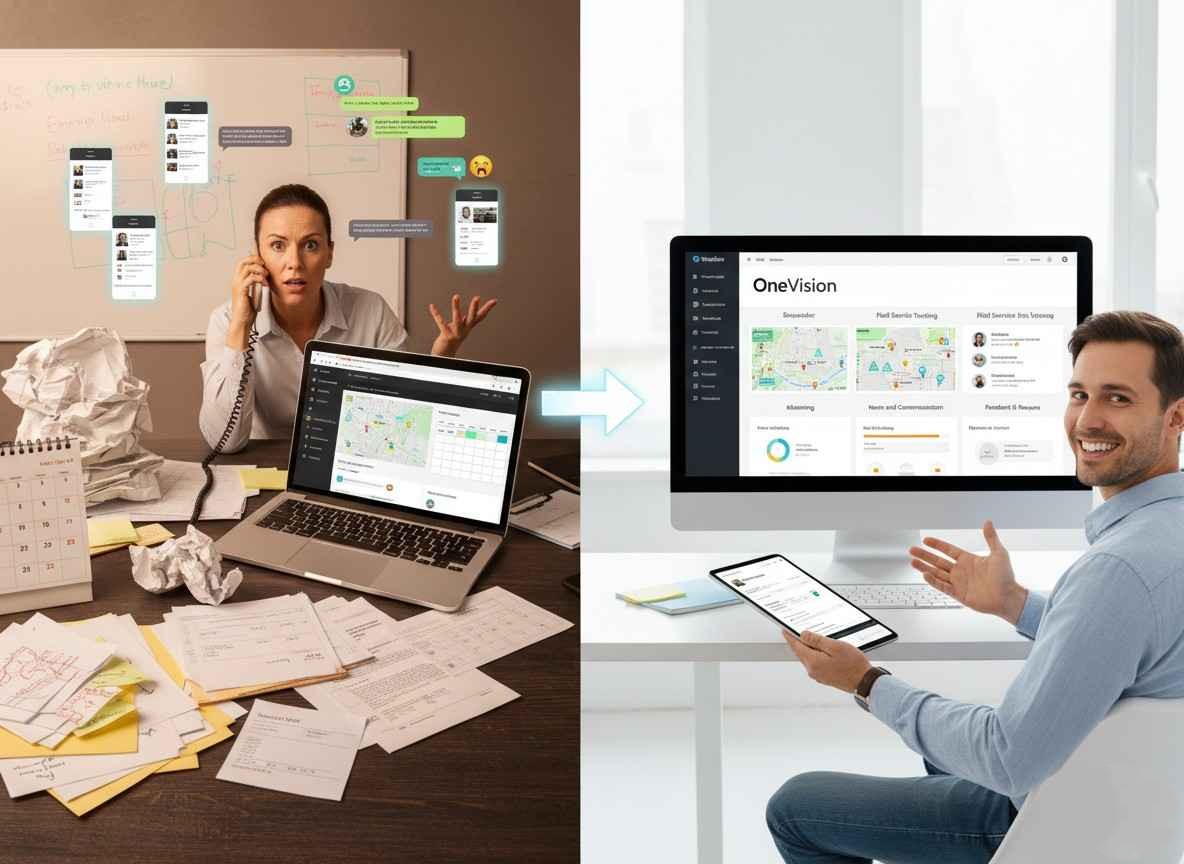
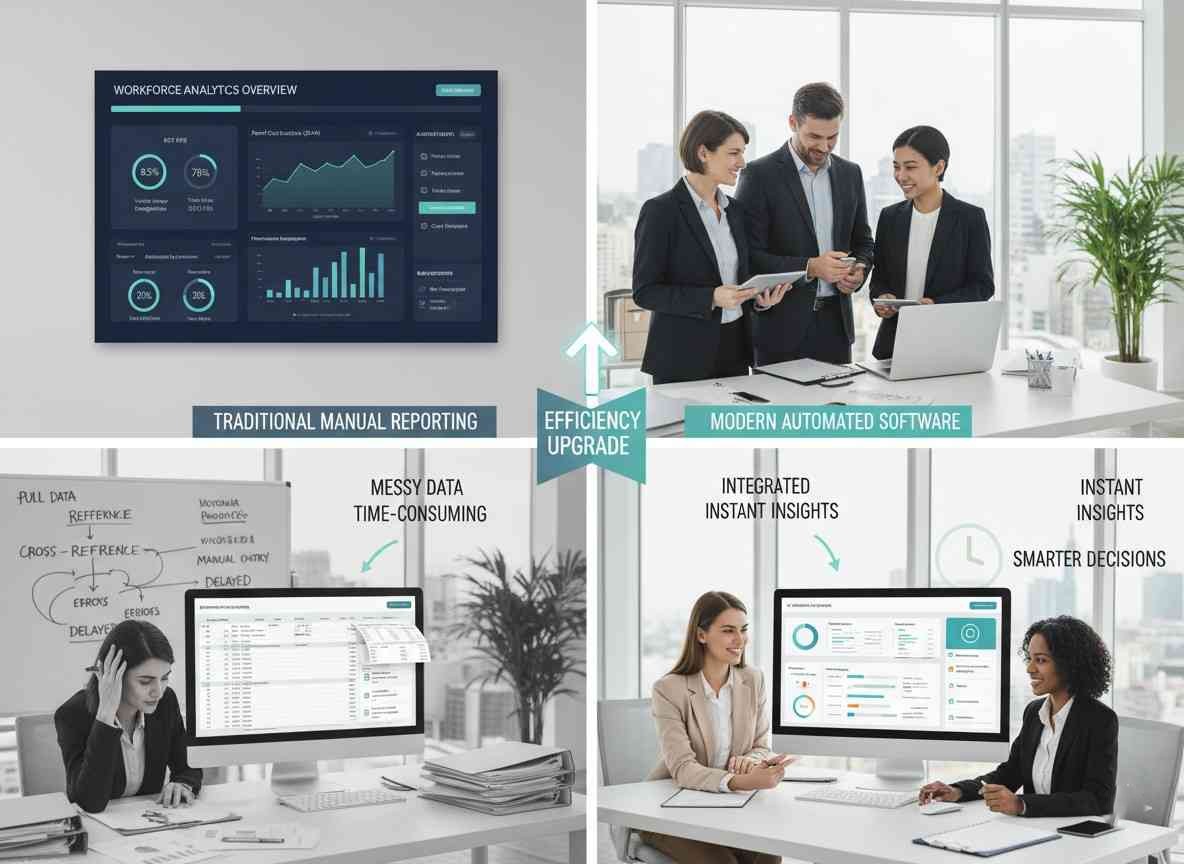
Here is an uncomfortable truth. Most small and mid-sized businesses are managing employee records in a combination of spreadsheets, shared drives, and email threads. It only works for a short period of time.
The Spreadsheet Problem Nobody Wants to Admit
Spreadsheets feel manageable at first. You have a tab for employee details, another for contracts, and maybe one for attendance. But the moment your team grows, the whole thing becomes a liability. Data gets duplicated, versions get mismatched, and the newest information is always in someone's personal folder instead of somewhere the team can actually access it.
This is not an organizational problem but a system’s. And it is costing businesses real time and real money.
What Disorganized Employee Data Actually Costs You
When your digital employee records system is scattered and unreliable, the consequences show up in ways people do not always connect back to the root cause.
Onboarding takes longer
because documents are missing or stored in the wrong place
HR compliance slips
because nobody has a clear view of what is current and what is outdated
Payroll errors happen
when attendance data has to be manually transferred across systems
Good employees have bad first experiences
because their onboarding was a mess
What HR Data Software Actually Does
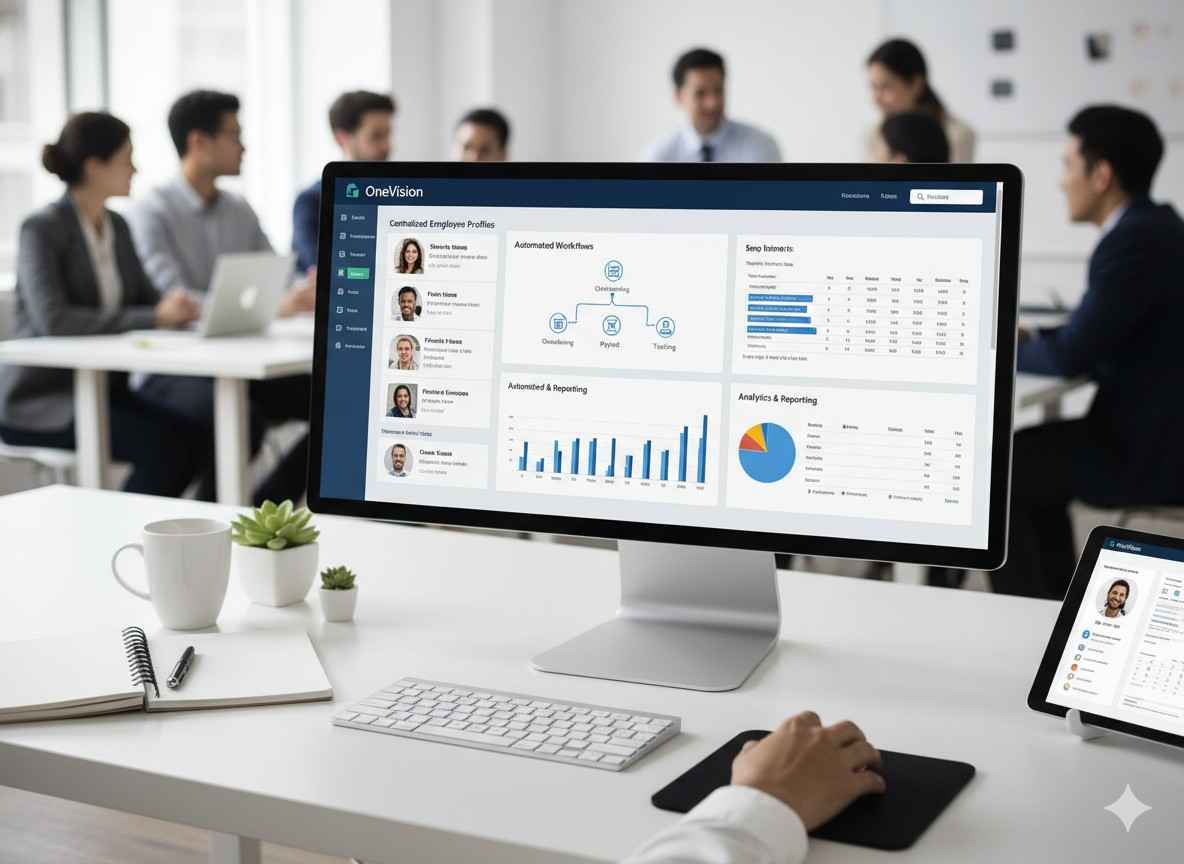
HR data software is a centralized system that brings every piece of employee information into one place. Profiles, documents, onboarding records, compliance files, and attendance data all live in a single platform that is searchable, organized, and accessible to the right people.
It Is About More Than Just Storing Information
Employee information management systems are what make your HR data structured, connected, and up to date.
When a manager wants to check an employee's performance history, they should not have to email HR and wait two days. Similarly, when an auditor asks for compliance documentation, your HR team should be able to pull it up in seconds, not spend a morning hunting for it. And when a new hire joins, their first week should not involve printing, signing, and scanning the same documents four times.
That is what good HR data management software actually does. It removes these hurdles from the parts of HR that should be automatic.
How Centralized Employee Data Changes Daily HR Work
When your team moves from scattered files to a centralized employee data, the day-to-day rhythm of HR changes completely.
Updates happen once and reflect everywhere. An employee gets promoted, and their profile, org chart position, and access level are all updated together. A contract gets renewed, and it is saved, timestamped, and linked to their file automatically. Nothing lives in a personal inbox. Nothing gets missed.
This kind of structure is what separates HR teams that are buried in admin from HR teams that are actually doing HR.
Key Features That Matter in HR Data Software
Not every platform does this well. When you are evaluating employee data software, these are the features that separate genuinely useful tools from the ones that look good in demos.
Employee Records Management
Employee records management software should handle the full picture of job history, salary changes, disciplinary records, certifications, emergency contacts, and more. Every update should be logged with a timestamp so there is always a clear record of what changed and when.
This is especially important for HR compliance management software purposes. If you are ever audited or face an employment dispute, clean, organized records are your best protection.
HR Document Management
Paper contracts get lost. Emailed attachments get buried. Good HR document management software keeps every file attached to the relevant employee profile, organized by category, and findable in under a minute.
The best systems also handle document expiration alerts so your HR team is reminded when certifications, contracts, or compliance documents are about to lapse. It turns a reactive process into a proactive one.
Employee Onboarding
Employee onboarding software built into your HR system is one of the highest-return investments in the category.
Automated onboarding workflows send the right documents to the right people at the right time. New hires complete paperwork before their first day. Training gets assigned automatically. Access is set up in advance.
OneVision reduces onboarding time from weeks to days. That matters for HR capacity, but it matters just as much for how new employees feel about joining the company.
Attendance Tracking and Payroll Integration
HR employee tracking software that does not connect to your payroll system is doing half the job.
OneVision's Scheduler handles GPS clock-ins, shift planning, and generates payroll-ready reports that sync directly with employee profiles. It is the kind of integration that removes an entire category of error from your HR operations.
The Case for Cloud-Based HR Software in 2026
Cloud-based HR software gives every authorized team member access to the information they need, wherever they are.
Security Is Not an Afterthought — reputable platforms invest heavily in encryption, role-based access controls, and regular security audits.
HR Data Software for Small Businesses and Growing Teams
The best HR software for small businesses is quick to set up, simple to use, and genuinely improves how your team operates within the first week.
OneVision is built this way. The same platform that works for a 15-person team handles a 500-person workforce, with the same clean interface.
How to Choose the Right HR Data Software
Start with the actual problem you are trying to solve. Then check integrations, usability, compliance support, and scalability.
Conclusion
The businesses that run HR well in 2026 are not doing it with bigger teams. They are doing it with better systems.
OneVision brings employee profiles, document management, onboarding, compliance, scheduling, and workforce analytics into one platform. It is built for businesses that want HR to work properly, not just exist.
Frequently Asked Questions
Read Other Blogs
Explore more insights and tips on business management


How Does the Best HR Software Help Businesses Make Better Financial Decisions?
Discover how the best HR software helps businesses reduce hidden operational costs, improve workforce efficiency, and make smarter financial decisions through automation, analytics, and better workforce management.





Why Use Software That Helps in Managing a Business?
When running a company, you need software that helps in managing a business, as its tasks, teams, customers, and finances all need your attention. Discover why companies are adopting all-in-one business management systems.